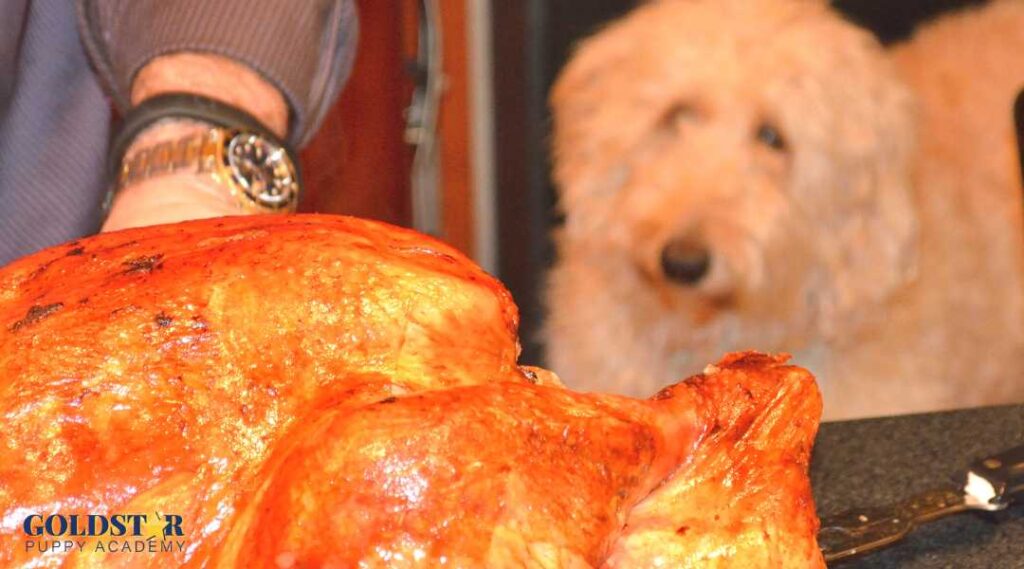
Thanksgiving means family, football, and a feast that everyone looks forward to—even your dog! But when those puppy-dog eyes lock onto your turkey, it’s important to ask: Can dogs eat turkey safely? The answer is yes, but with precautions. Turkey offers great nutrients like protein and phosphorus, but only if it’s prepared correctly. Let’s walk through 5 safety tips to help you include your pup in the festivities—without the vet visit.
Start Small: Moderation Is Key
Too much turkey at once can upset your dog’s digestive system. In some cases, it can even lead to pancreatitis, a painful and dangerous condition. Instead, offer a small bite or two and see how they handle it before offering more.
Skip the Salt and Seasoning
Thanksgiving turkeys are usually full of spices like garlic powder, onion powder, or butter-based marinades. These ingredients might be delicious for us, but they can be toxic for dogs. That’s why it’s safest to only serve your dog plain, cooked turkey with no added seasoning.
Watch Out for Toxic Ingredients
In addition to spices, other holiday favorites like stuffing or gravy often contain onions, garlic, or even raisins—all of which are dangerous for dogs. If your dog eats these foods, symptoms can include vomiting, diarrhea, or even anemia. It’s not worth the risk.
Always Remove Bones
Turkey bones can splinter when chewed, causing choking, internal blockages, or serious injuries to your dog’s intestines. To keep your pup safe, always double-check that turkey is boneless before feeding.
Don’t Feed the Skin
Turkey skin may seem harmless, but it’s loaded with fat and often carries leftover seasoning. Feeding fatty skin can lead to gastrointestinal upset or pancreatitis—especially in smaller breeds. Instead, stick with lean, white meat in small amounts.
Safer Turkey Alternatives for Dogs
If you’d rather not take the risk, there are plenty of dog-safe Thanksgiving treats. Try:
Plain green beans
Mashed sweet potatoes (without butter or sugar)
A spoonful of plain pumpkin (not pie filling)
Store-bought turkey-flavored dog treats
How to Safely Serve Turkey to Your Dog
Want to share a little holiday joy with your pup? Here’s a quick checklist:
Cook turkey plain with no salt or seasoning
Remove all skin and bones
Cut into small, chewable pieces
Serve as a treat, not a full meal
Key Takeaway — Yes, Dogs Can Eat Turkey (But Carefully)
Plain, cooked turkey is safe for dogs in moderation—as long as it’s bone-free, skin-free, and unseasoned. Follow these tips to share a bit of your holiday without risking your dog’s health. Want more training and wellness tips from a team that treats your dog like family? Book a free consult with Goldstar Puppy Academy — we’re here to help families thrive together.
When we sent out our September blog on dog daycare safety, we didn’t expect to receive this kind of reply.
A local dog owner reached out to tell us what happened when she trusted her dog to a well-reviewed daycare with acres of outdoor space. The story stuck with us—not because it was unusual, but because it was all too common. We’re sharing it here with her permission, in hopes that it helps another pet parent avoid the same mistake.
The Setup: A Promising Daycare
It sounded perfect on paper.
This local daycare (we’re not naming names) boasted acres of open land, plenty of playtime, and a promise that dogs would be free to “just be dogs.”
Her pup, a sweet black Lab named Bentley, had energy to burn and loved the outdoors. She thought he’d be in heaven.
She dropped him off, trusting the business’s polished website and warm assurances.
The Pickup: A Real Dog Daycare Horror Story
When she returned to pick Bentley up, she noticed something right away: he was limping, and there was blood on his ear.
Not only had the daycare staff not noticed the injury, they had no idea how or when it had happened.
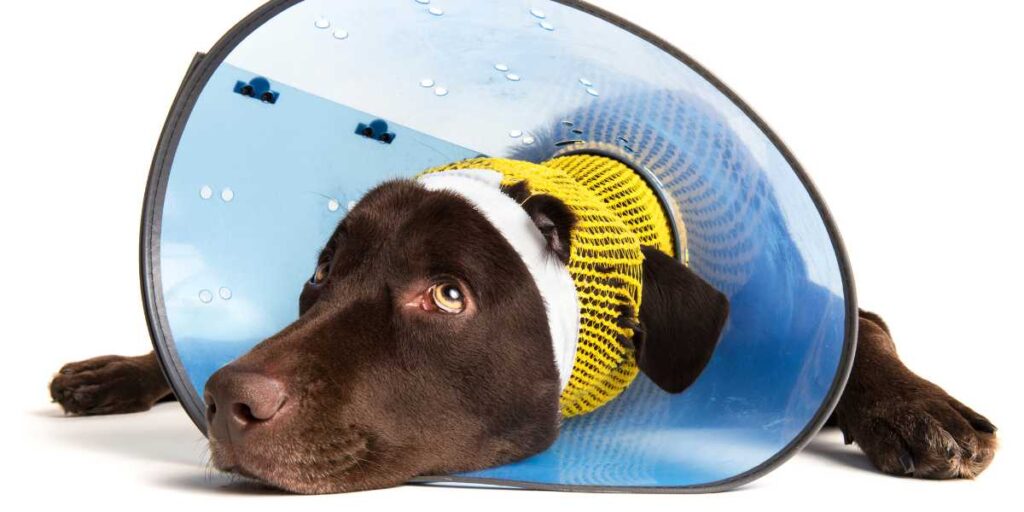
Bentley had torn his dewclaw, and a cut in his floppy ear wouldn’t stop bleeding. She rushed him to the vet, where he needed sedation, stitches, and a long course of antibiotics.
The vet bill was steep. But worse was the emotional toll: Bentley, usually confident and happy, was withdrawn and nervous for days.
"If I had seen your daycare checklist before," she told us, "I would have asked better questions. I never would’ve left him there."
Why This Story Matters
This reader’s story came in after we published our blog, but it highlights exactly why we created it in the first place.
Many dog owners think a big yard or endless playtime equals quality care. But dogs need more than space—they need structure, supervision, rest, and trained professionals who can spot trouble before it happens.
Without those things, even a dog who loves to play can get overwhelmed, injured, or worse.
What to Ask Before You Enroll Your Dog Anywhere
Before you drop your pup off at any daycare—even one with glowing reviews—we strongly recommend asking:
What is your dog-to-staff ratio?
Do you do behavioral screenings before accepting dogs?
How is a typical day structured?
Are your staff trained in dog behavior and first aid?
What kind of enrichment activities do you offer?
What happens if a dog is injured or distressed?
Can I tour the facility unannounced?
We turned these into a printable checklist to help you choose safer, smarter care.
At Goldstar Puppy Academy, our Day School program is invite-only, and only available to dogs who have gone through our training programs. We believe dogs do best in structured, enrichment-based environments with certified trainers and small, supervised playgroups.
Because the goal isn’t just to wear them out. It’s to build them up.
If this story made you rethink your current setup, you're not alone. We're here to help you navigate better options and raise confident, happy pups—the safe and smart way.
Your dog is more than a pet, they're family. So when you leave them in someone else's care, you deserve peace of mind. Unfortunately, not all dog daycares are created equal. Some are enriching and well-managed, while others can be chaotic, understaffed, or even unsafe. If you've ever wondered whether your current daycare is the right fit, this guide is for you.
At Goldstar Puppy Academy, we believe every pet parent should be informed, empowered, and equipped to make smart, safe choices. Let’s take a closer look at the warning signs of a low-quality daycare, and what to look for instead.
1. High Dog-to-Staff Ratio
If one staff member is responsible for managing 15, 20, or more dogs at once, that’s a problem. Overcrowding can lead to fights, missed medical issues, and behavioral problems. A safe ratio? Ideally, no more than 10 dogs per qualified handler and fewer for puppies or special-needs dogs.
2. No Intake Process or Behavior Screening
Good daycares want to know your dog before accepting them. That means a proper intake form, behavior evaluation, and even a trial period. If they accept any dog without a vetting process, that’s a red flag.
3. Lack of Structure or Routine
Dogs thrive on consistency. If the daycare offers nothing but open play all day, it may lead to overstimulation and stress. Look for facilities that rotate between enrichment, rest, training, and play, especially for younger dogs.
4. Dirty, Overcrowded, or Chaotic Environment
When you tour the facility, what do you smell? What do you hear? A high-quality daycare should be clean, orderly, and relatively calm. Overcrowded spaces increase the risk of illness and injury.
5. Undertrained or Inexperienced Staff
Are the staff certified in canine behavior? Do they understand group play dynamics, enrichment, and early signs of distress or aggression? If not, that lack of training could put your dog at risk.
6. No Enrichment or Mental Engagement
Daycare isn’t just about tiring your dog out physically. High-quality care should include puzzle toys, scent games, basic training reinforcement, and calm activities that nurture your dog’s mind and confidence.
7. Poor Communication or Incident Reporting
You deserve to know what happens during your dog’s day. Facilities that don’t provide updates or that are vague about incidents should raise concern. Transparency is a must when it comes to your dog’s safety.
So, Is Your Dog Daycare Safe?
If some of these red flags sound familiar, you’re not alone. Many loving pet parents assume all daycares are more or less the same—but the truth is, the quality of care can vary dramatically. And when your dog is family, “good enough” just isn’t good enough.
That’s why we created a free, expert-backed checklist to help you evaluate any daycare with confidence. Whether you’re exploring new options or questioning your current one, this guide gives you the clarity and peace of mind you deserve.
💛 Ready to Feel Confident in Your Dog Daycare Choice?
Your dog deserves more than just a place to play—they deserve structure, enrichment, and expert care. If you’re unsure about your current daycare or want to make the best choice from the start, we’re here to help.
🐾 Want a Tour of Our Facility? Come see how we do things differently. At Goldstar Puppy Academy, our enrichment-based, invite-only Day School is designed to give your pup a safe, structured, and joyful experience every day.
📍 Serving Vero Beach, Fort Pierce, Port St. Lucie, and the entire Treasure Coast.
We’re more than trainers—we’re your puppy-raising partners. Follow us for helpful tips, adorable updates, and behind-the-scenes peeks at real training in action.
TikTok – Quick training clips, day-in-the-life moments, and real results
Instagram – Candid photos, bite-sized tips, and community stories
Facebook – Local events, Q&As, and helpful resources
Let’s be honest, traditional dog daycares can feel a bit like dropping your child off at a crowded recess. No structure. No supervision that knows your dog. And absolutely no reinforcement of the training you worked so hard to build.
At Goldstar Puppy Academy, we don’t believe in basic.
That’s why we’re thrilled to announce our next big step — a dog daycare in Vero Beach unlike anything else:
A private, invite-only Doggy Day School, located right on the Vero Beach line in Fort Pierce. Launching soon, this elite program is exclusively for graduates of our Doggy Scholar or Valedictorian training packages — and it’s everything your pup has earned and more.
Welcome to the Most Exclusive Dog Daycare in Vero Beach
We are not open to the public, nor is it a chaotic free-for-all of barking and forgotten training. Instead, it’s a structured, enriching environment where your dog continues to thrive—emotionally, mentally, and behaviorally—long after graduation.
Why This Dog Daycare in Vero Beach Is Unlike Any Other
We created the After School Club to be more than just care — it's a continuation of your pup’s training journey. Unlike typical dog daycare in Vero Beach, this experience is about keeping progress going, not hitting pause.
A Day in the Life of a Goldstar Day School Pup
Your pup’s day is filled with purpose, enrichment, and joy—instead of simply passing time while you’re away. See what a typical day look likes:
8:00–9:30 AM Pickup Safely transported via our Goldstar Van with individual crates, AC monitoring, and a caring trainer
Morning Field Trip We head to a nature-rich park or a public shopping plaza to continue real-world socialization and give your dog adventure
Midday Structured group play time, socialization with caring staff, and reinforcement of their good manners
Afternoon Learning Gentle group socialization, training refreshers, and skill reinforcement, all supporting long-term success as recommended by the AKC’s approach to structured dog training
2:30–3:30 PM Drop-Off A happy, tired pup comes home ready to relax
Field trips and structured play provide critical socialization opportunities, just as the AKC recommends for puppies beyond basic training.
This isn’t just care. It’s continuity — keeping their training fresh and their confidence high.
Who Gets In? Only the Best
To join our exclusive After School Club, your puppy must have completed the Doggy Scholar or Valedictorian Training Program, Goldstar’s most comprehensive and transformational packages.
Why? Because we’ve created a space where every dog is:
Properly socialized
Trained using positive reinforcement
Emotionally supported in group settings
That creates a calm, safe, and balanced environment you can’t find at just any daycare.
No chaos. No bad habits. Just trained dogs continuing to grow under the guidance of certified professionals.
Why Vero Beach Puppy Parents Love This Club
Peace of Mind: You’ll know your pup is in safe, qualified hands
Furthermore, we ensure Training Continuity: there’s no backsliding—we reinforce the skills you’ve already invested in
Emotional Enrichment: Because happy, balanced dogs are dogs who feel seen, loved, and secure
Convenience: Our Goldstar Van provides door-to-door pickup and drop-off
Trust: Your dog stays with a team that already knows them deeply
And because we only offer boarding to current students and alumni, this Day School experience also helps your dog become confident being away from home — setting them up for stress-free transitions into overnight care when needed.
This isn’t a service. It’s a lifestyle upgrade — for both of you.
Serving Vero Beach and Beyond
Our new location is centrally located in Fort Pierce, with After School Club members coming from across the Treasure Coast, including:
Port St. Lucie
Vero Beach
Sebastian
Palm Bay
Whether you're at work or running errands, you can relax knowing your pup is continuing their Goldstar journey in the best possible hands.
How to Join the After School Club
If you're already a Goldstar client and your pup is a Doggy Scholar or Valedictorian graduate, you’re eligible!
If you're new to Goldstar and want in on the club, your next steps are:
Book a Free Puppy Consult
Enroll in the Doggy Scholar or Valedictorian Package
Unlock access to the Doggy Day School and our Goldstar Van Concierge Service
🎓 Only those who graduate earn this level of care.
At Goldstar, we know that training is just the beginning. It’s the bond, the structure, and the emotional safety net that keep a dog growing into their best self.
Our new Day School is built with love, structure, and intention — because that’s what your puppy deserves.
👉 Book your free consultation today and see if your pup qualifies for Goldstar's After School Club. They’ve earned it — and so have you.
Not long ago, when I worked as a veterinary assistant, I saw something that stuck with me. A couple had just gotten into a minor fender bender, nothing serious. But their small senior dog, unrestrained in the back seat, was thrown forward on impact and didn’t survive.
I’ll never forget that moment. Because it was so preventable.
That’s one of the many reasons we’ve made safety-first transport a cornerstone of our elite dog daycare in Vero Beach here at Goldstar Puppy Academy. And now, with the upcoming launch of our doggie day school facility combined with our Goldstar Van, we’re offering something no other dog trainer on the Treasure Coast does: a luxury, concierge-level dog transport service designed for trained pups and peace of mind.
Not Just a Van. A Moving Extension of Our Academy.
The Goldstar Van is more than a ride, it’s a mobile safe haven, custom-outfitted for your dog’s comfort, health, and training consistency.
Here’s what makes our concierge dog service Fort Pierce’s most trusted ride for pups:
Individual Crates for Safety
Every dog has their own secured crate, complete with padded mats to prevent slipping. In the unlikely event of an accident, your pup is safely contained — not loose or vulnerable.
Temperature Monitoring, Always
We’ve installed a real-time temp monitor in the van. If the A/C ever malfunctions, we get an immediate alert so we can act fast. Florida heat is no joke — and we take it seriously.
Emergency Preparedness
A full canine first aid kit rides with us at all times, along with backup leashes, water bowls, and extra supplies. We’re ready for anything — so you don’t have to worry.
Pickup & Drop-Off You Can Count On
We’ve built our schedule with working professionals, retirees, and busy families in mind:
Morning Pickup Window: 8:00 AM – 9:30 AM Afternoon Drop-Off Window: 2:30 PM – 3:30 PM
You’ll know exactly when to expect us, and we’ll be there with a smile (and maybe a wag).
For Goldstar Grads Only: A Concierge Club for Trained Pups
The Goldstar Van isn’t available to just anyone. It’s part of our exclusive After School Club, only open to puppies enrolled in one of our training programs.
Think of it like a private school bus — but for elite puppies who’ve earned their spot.
Our concierge dog service ensures that your pup continues reinforcing their training, socialization, and confidence-building in our invite-only Day School — a critical part of early development, as the AKC recommends
Why This Matters: A Note from the Heart
Over the years, I’ve seen too many pet parents unknowingly take risks — dogs unrestrained in the back seat, pups hanging out the car window (which the AVMA strongly warns against).
It doesn’t take a major crash to end in heartbreak. Even a quick turn or sudden stop can cause injury. And as much as your pup loves the wind in their face, eye injuries from road debris are far more common than most people realize.
At Goldstar, we don’t just love dogs — we protect them. Every step of the way.
Serving Fort Pierce, Vero Beach, and the Treasure Coast
Our van service currently operates across:
Fort Pierce
Vero Beach
Sebastian
Hutchinson Island
…with expanded coverage on the way.
Whether you’re commuting to work, heading to appointments, or just looking for a smoother routine, we bring Day School to your doorstep — literally.
See the Goldstar Van - A Work of Art...
How to Join the Club
Want your pup to experience the full Goldstar journey — from confident training to enriching day school and safe, concierge pickup and drop-off?
Here’s how to get started:
Book a Free Puppy Consult
Enroll in one of our comprehensive training programs
Unlock access to the After School Club and Goldstar Van service
“Our golden-doodle was literally scared of her own shadow, and we chose the Valedictorian program. Every week we saw incredible progress — and now, she absolutely loses her puppy mind when she sees Gerry-Anna and the staff. That trust and excitement says everything. We’re 100% sure that without Goldstar Puppy Academy, she wouldn’t be as successful as she is today.” — Jena R.