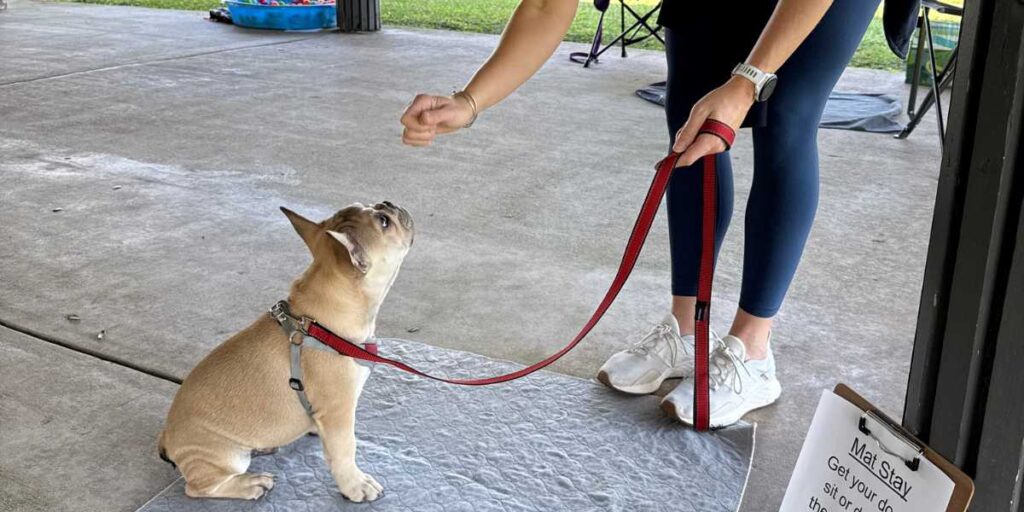
You know the feeling. In your kitchen, your dog is a genius. You say "Sit," they sit. You say "Come," they come running. But the moment you step out the front door, everything changes. Suddenly, your dog ignores you outside completely.
You call their name. Nothing. You wave a treat. Nothing. They are too busy sniffing a piece of seaweed or staring at a squirrel to even look at you.
If you are planning a trip to the beach, you need to solve this problem first.
The Real Reason Your Dog Ignores You Outside
It is not because your dog is "stubborn" or "dominant." If your dog ignores you outside, it is usually because you skipped a critical training step called Generalization.
Dogs don't learn English; they learn patterns. When you train in the kitchen, your dog learns: "When Mom says 'Sit' while standing next to the fridge, I put my butt down and get a cookie."
They don't automatically understand that "Sit" means to put their butt down everywhere.
When you go to the beach or the park, the environment changes completely. The wind is blowing, waves are crashing, and there are 500 new smells. To your dog, this is a completely different planet. Asking them to "Sit" here is like asking a human to do advanced calculus while standing front-row at a rock concert!
The Solution: The "Distraction Ladder"
If you want to stop the frustration when your dog ignores you outside, you can't just jump straight from the kitchen to the ocean. You have to bridge the gap using the "Distraction Ladder."
Level 1: The Bore (Low Distraction)
Location: Living room or kitchen.
Goal: Perfect the command with zero distractions around.
Level 2: The Yard (Medium Distraction)
Location: Your driveway or backyard.
Goal: Can they listen while a car drives by or a bird chirps? If not, do not move to Level 3 yet.
Level 3: The Empty Park (High Distraction)
Location: A quiet corner of a park (on a long leash).
Goal: Engagement. Reward them heavily just for looking at you instead of the grass.
Level 4: The Real World (The Store)
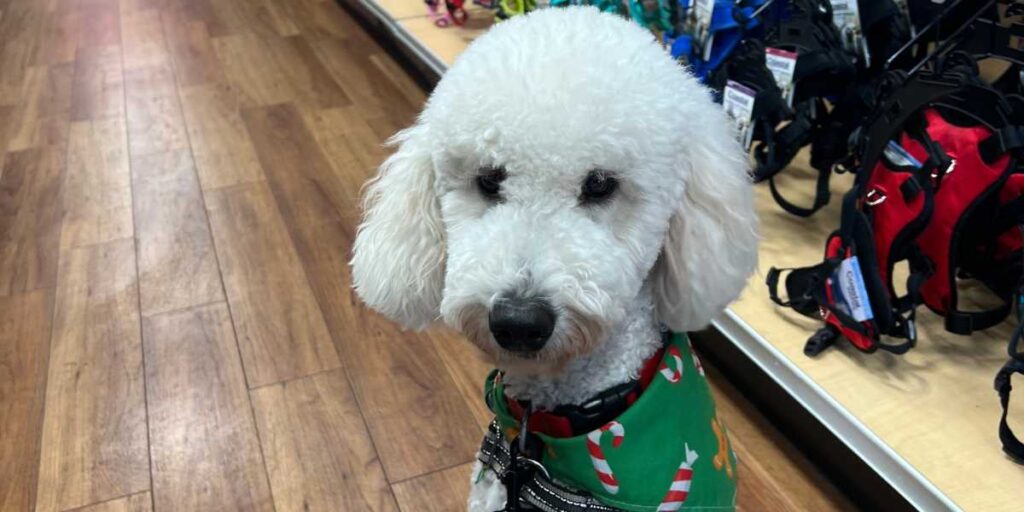
Location: A dog-friendly store like PetSmart.
Goal: Achieve a happy, focused shopper who listens despite maximum real-world distractions.
Don't Skip Steps
Most dog owners try to skip straight from Level 1 to Level 4. That is exactly why their dog ignores them outside. It isn't fair to the dog to expect them to perform in a high-stress, high-excitement environment without practicing the steps in between.
If you are stuck at Level 2, don't worry—we can help!
Live in Fort Pierce or Vero Beach?Book a Free Consult today. We will help you and your dog work through distractions together in real-time.
Stuck Inside or Live Out of State? Before you worry about the beach, you need to master the basics. You can't enjoy a vacation if your puppy is having accidents in the hotel or nipping the kids. Our 30 Days with Your Puppy online course fixes the potty training and biting behaviors before you even pack the car. Start Training Today!
Living on the Treasure Coast means sun, sand, and ocean breezes. But for pet owners, finding the best dog friendly beaches in Florida can be a challenge. You want a spot where your dog is welcome, safe, and free to splash around.
Whether you are a local in Fort Pierce or planning a vacation to our beautiful coast, we’ve got you covered. We have updated our annual guide for 2026 with the latest rules for the top dog friendly beaches in Florida (specifically in St. Lucie and Indian River Counties).
(Not in Florida? You can still train your puppy for outdoor adventures from your living room with our 30 Days with Your Puppy online course
Top Dog Friendly Beaches in Florida (Treasure Coast Edition)
Here are our favorite local spots to take your dog this year.
1. Walton Rocks Beach Dog Park - Fort Pierce
Location: 6700 South Ocean Drive, Jensen Beach, FL 34957
The Vibe: This is widely considered one of the best dog friendly beaches in Florida because of its size. It features 24 acres of off-leash freedom.
2026 Rules: Dogs are allowed Off-Leash but must be under voice control.
Why We Love It: It is one of the few true off-leash spots. Your dog can run, swim, and dig in the sand.
Pro Tip: Bring a long lead if your dog’s recall isn’t solid yet. Early morning or late afternoon visits are ideal to avoid hot sand.
Location: 2541 SE Walton Rd, Port St. Lucie, FL 34952
The Vibe: Old Florida wilderness. Quiet, scenic, and full of smells.
2026 Rules: Dogs are allowed On-Leash (6ft max).
Why We Love It: If the popular dog friendly beaches in Florida are too crowded for your shy dog, come here. It is a mental workout for them to process all the wildlife scents.
Trainer Tip: Watch out for wildlife! This is a real preserve. Keep your "Leave It" command ready.
Note: Always bring water and tick protection when hiking wooded trails.
Location: 3001 Riverside Park Dr, Vero Beach, FL 32963
The Vibe: The "Scenic Stroll." It features massive oak trees, open fields, and stunning river views.
Off-leash: No (leash required)
Why We Love It: Wide open green space and quiet mornings make this a great spot for recall practice on a long line. The shade from the oaks makes it one of the few places you can walk comfortably in the Florida summer.
Spring break brings crowds. That means it’s extra important to ensure your dog is beach-ready. Here’s how to train for a smooth, respectful outdoor adventure:
1. Recall is Your Superpower
Make sure your dog responds reliably to their name. Practice recall in low-distraction environments first, then work up to busy parks. Use a long line as a safety net while you train.
Need help with recall but live too far away? Check out the "Recall Module" in our Boardand Train program online course.
2. Teach a Solid "Leave It"
From discarded food to dead fish (yep), beaches are full of temptations. Teaching a strong "leave it" command can prevent upset stomachs or worse.
3. Polite Greetings with People & Pups
Not every dog or human wants a sandy hello. Teach your pup to sit or focus on you instead of rushing strangers. If your dog is still learning, keep greetings short and sweet.
Springtime Safety: Salt, Sand & Dehydration
Your dog may love beach days, but nature isn’t without its hazards. Here’s how to keep your furry friend safe this spring:
Hot Sand Awareness
If it’s too hot for your bare feet, it’s too hot for paws. Visit early or bring dog booties. You can also test the sand safely with the back of your hand.
Saltwater Safety
Drinking saltwater can cause vomiting, dehydration, or even salt poisoning. Bring fresh water and a collapsible bowl, and encourage frequent hydration breaks. Learn more beach safety tips for dogs.
Rinse Off Post-Beach
Salt and sand can irritate skin and paws. Rinse your dog with clean water after any beach visit, especially if they have allergies or sensitive skin.
Watch for Overheating
Spring sun can still be intense. Watch for signs of heat exhaustion, such as excessive panting, drooling, or disorientation. Take breaks in the shade and offer cool water regularly.
Spring Allergies in Dogs: What to Watch For
Just like us, dogs can suffer from seasonal allergies. As flowers bloom and pollen levels rise, here are signs your pup might be feeling the itch:
Final Thoughts: Adventure Awaits, Preparedness Pays
Springtime in Florida is a dream for dog lovers—but only if you prep for the fun. A well-trained pup who listens at the beach, drinks fresh water, and avoids allergy flare-ups is a happy one. At Goldstar Puppy Academy, we specialize in training pups for real-world adventures just like these.
Want to start at home? Download our Free Puppy Training E-Book or enroll in our Online Video Course.
Stay Connected with Goldstar Puppy Academy
Follow us on social media for expert dog training tips, local updates, behind-the-scenes videos, and plenty of puppy inspiration.
TikTok – Quick training clips, day-in-the-life moments, and real results Instagram – Candid photos, training tips, and community stories Facebook – Local events, Q&As, and helpful resources YouTube – Full-length tutorials, board and train recaps, and educational content
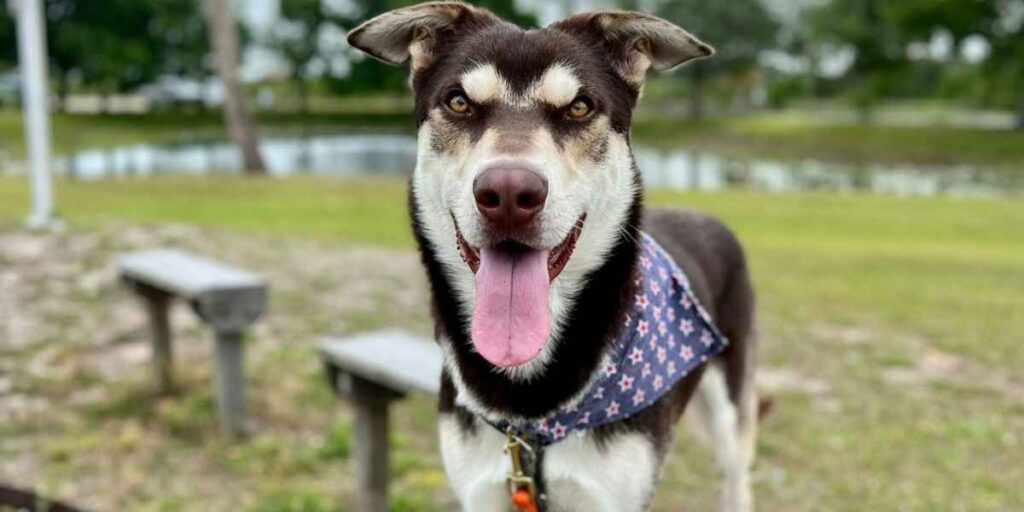
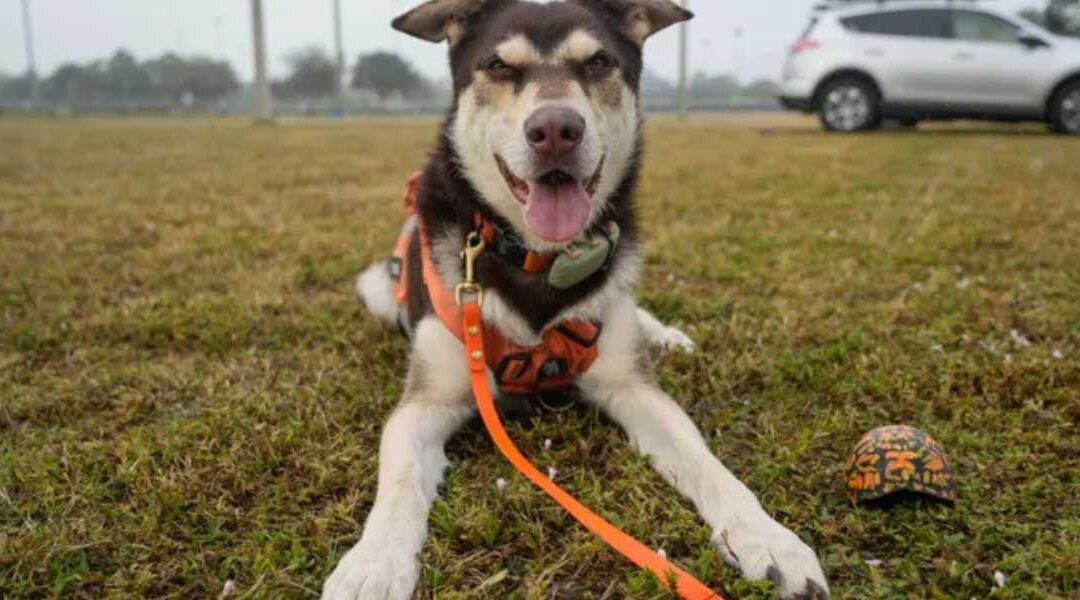
There is a new wildlife expert in town, and he has four paws. Meet K9 Echo, a three-year-old Shepherd-Husky mix who is making history in Vero Beach as a conservation detection dog in training. While most dogs are content with a game of fetch, Echo has a much higher calling: protecting a threatened keystone species.
The Mission: Protecting Florida’s Gopher Tortoises
Gopher tortoises are essential "engineers" of Florida’s ecosystems. Their deep burrows provide critical shelter for upwards of 300 other species, including burrowing owls, frogs, and snakes. Because of their vital role, they are classified as a Threatened Species in Florida.
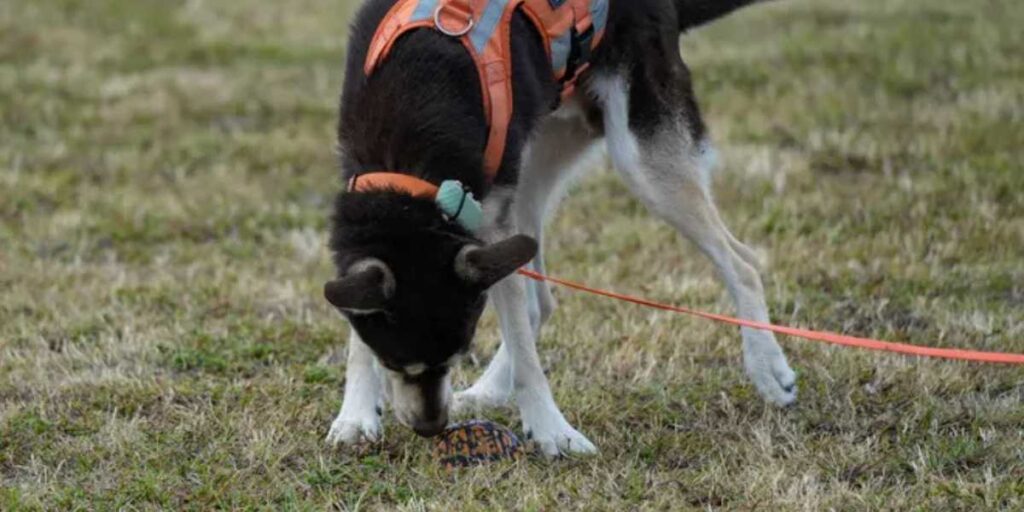
Currently, Florida law requires builders to hire Registered Gopher Tortoise Agents to translocate these reptiles to permitted recipient sites before development begins. However, finding them is not always easy. Agents typically capture tortoises by digging up their burrows, but if the tortoise isn't "home" during the dig, they can be incredibly difficult to locate—unless you have a nose like Echo's.
The Powerhouse Behind the Project: Gerry-Anna Jones
This groundbreaking project is a major collaborative effort led by Gerry-Anna Jones, the owner of Goldstar Puppy Academy and President of the Gopher Tortoise Alliance.
With over 10 years of experience working with various animal species, Gerry-Anna is a Certified Professional Dog Trainer who adopted Echo when he showed the unmistakable drive of an enthusiastic working dog. At the Academy, she applies the same advanced, "positive-first" training techniques to our clients' dogs that she uses to prepare Echo for his critical role in environmental stewardship.
"Echo’s journey from a rescue foster home to a conservation hero is a testament to what is possible when we understand the science of the canine mind," says Gerry-Anna. "We are proud to use the same advanced techniques we offer our Academy clients to help protect Florida’s natural heritage."
A World-Class Collaborative Effort
Training a conservation detection dog requires a high level of professional collaboration. K9 Echo is supported by a premier team:
Foundational Training: Assisted by Janey Fuller at Cougar Creek K9 in Alabama.
Expert Field Transition: Renowned wildlife biologist and turtle dog handler Dr. Kristine Hoffmann (Bark & Code LLC) is visiting from New York with her famous partner, K9 Newt, to transition Echo to finding live tortoises in the field.
What’s Next for Echo?
By Spring 2026, K9 Echo will be fully operational. As his handler, Gerry-Anna will direct Echo to zig-zag through the landscape until he catches a scent. Once he pinpoints a tortoise or an active burrow, he will alert her by lying down.
The assigned Registered Gopher Tortoise Agent will then take over to collect data and safely move the tortoise to a recipient site where it can become habituated to its new home range. This collaboration represents a major step forward in habitat surveys and population assessments, helping ensure the survival of this unique species.
Join the Movement
Whether you are looking for premier training for your own dog or want to support local wildlife, there are ways to get involved:
For Your Dog: Experience the Goldstar Puppy Academy difference. We help every dog reach their full potential through expert-led education.
For the Tortoises: If you have questions about gopher tortoises or wish to donate to the cause, contact the Gopher Tortoise Alliance at 772-228-1492 or visit gophertortoisealliance.org
Together, we are leading the way in environmental stewardship one paw at a time.
The moment you drive back to Vero Beach with your new puppy is pure magic. However, it’s also the most critical window for setting the tone for the rest of their life. The first 48 hours are about more than cuddles; they are about structure, safety, and laying a foundation for future training success. As your local dog training experts, we know exactly what it takes. Therefore, follow this Vero Beach New Puppy Checklist to master those first two days and give your new best friend the perfect start.
Home Sweet Home: Safety and Setup
Before your puppy even sets a paw inside, the environment needs to be 100% puppy-proof. Safety and a sense of calm are your top priorities in those crucial first hours.
Puppy-Proof Your Space: Get down on your hands and knees. Check for any loose wires, poisonous plants, or small, chewable items. Furthermore, this is especially true for backyards in Vero Beach, and be sure to check for toxic foliage!
Specifically, for the “Designated Den” (Crate): Set up a comfortable crate in a quiet but central area, like your bedroom. This is their safe space, so never use it for punishment. For the first two nights, you may even want to place the crate next to your bed to ease separation anxiety.
The Potty Protocol: This is essential for preventing accidents. Once you decide on a designated potty spot in your yard, immediately take your puppy there the moment you arrive home and every 30-45 minutes after. Then, celebrate every success with a high-value treat!
Setting the Foundation for Training
Training doesn’t start next week; it starts right now. Essentially, the first 48 hours are when you begin teaching the most important life skill: communication.
Introduce Their Name: Keep it positive! Say their name and immediately follow it with a high-value reward or praise. Once they look at you, they win. Remember to keep these sessions short and fun.
The Leash Introduction:BecauseVero Beach is such a dog-friendly area, getting comfortable with the leash is key. For instance, just put the collar and leash on for five minutes at a time while supervised. Let them drag the leash around the house to get used to the weight.
Prevent Nipping/Biting: All puppies bite! For example, when your puppy’s teeth touch your skin, give a short, sharp “ooph!” and immediately remove your hand. In addition, if they bite again, end the play session for a minute to teach them that biting makes the fun stop.
Building a Health and Social Schedule
A stable routine is a new puppy’s greatest comfort. It helps them feel secure, which is vital for reducing anxiety and making training effective.
The Feeding Schedule: Stick to a consistent feeding time. This makes their potty schedule predictable, which is the secret to successful housebreaking.
The Vet Appointment: Have your puppy’s first vet check-up scheduled within the first 48 hours. Remember to bring all adoption or breeder paperwork.
Safe Socialization (Before Vaccinations): Contrary to old beliefs, socialization doesn't mean meeting every dog. Specifically, focus on gentle, positive exposure to new sounds (blenders, vacuum cleaners), textures (tile, carpet, grass), and different people in a safe environment. This is how we begin building a confident, well-adjusted dog, which is the ultimate goal of our training programs
Conclusion: What Comes Next?
Ultimately, by following this Vero Beach New Puppy Checklist, you’ve successfully survived the first 48 hours! You’ve puppy-proofed your home, established a routine, and started foundational training. The next step is making that early training consistent and effective.
Whether you need help with housebreaking or a full Board & Train program, Goldstar Puppy Academy is your local partner. We specialize in transforming those first 48 hours into a lifetime of excellent behavior.
It’s the most wonderful time of the year! If you are searching for the best Christmas dog gifts, you have come to the right place. For puppy parents, the holidays can be chaotic. Between the wrapping paper and the guests, your dog needs healthy ways to burn off energy.
At Goldstar Puppy Academy, we often see owners in Fort Pierce and Vero Beach struggle with high-energy puppies during the holidays. The solution isn't always more exercise; often, it's better mental stimulation.
Gerry-Anna has rounded up her top 5 "Trainer Approved" picks for this Christmas. These are tools to help your dog learn and stay calm while you enjoy your holiday dinner.
1. The "Distance Teacher": Remote Treat Dispenser
Why Gerry-Anna Loves It: This is a game-changer for teaching your dog independent skills. A remote treat dispenser allows you to reward your dog for staying on their "Place" or in their crate from across the room. It’s the perfect tool for stopping begging at the dinner table!
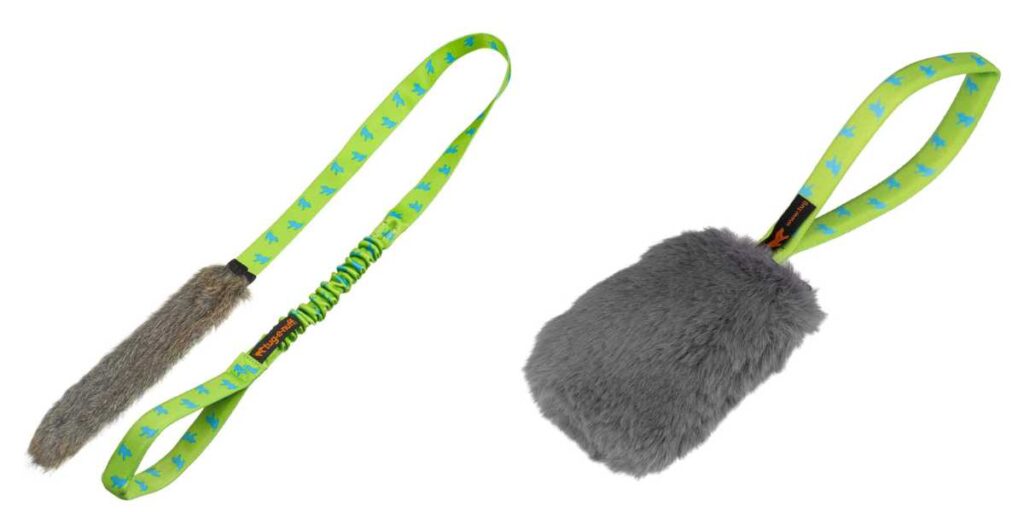
Why Gerry-Anna Loves It: If you want to build a powerful bond with your dog, you need to play with them. These real fur tugs utilize your dog's natural drive and are excellent for building an interactive play routine.
⚠️ Important Safety Note: Do not let your dog have this toy and take off to shred it. This toy is meant to be used exclusively when playing with you!
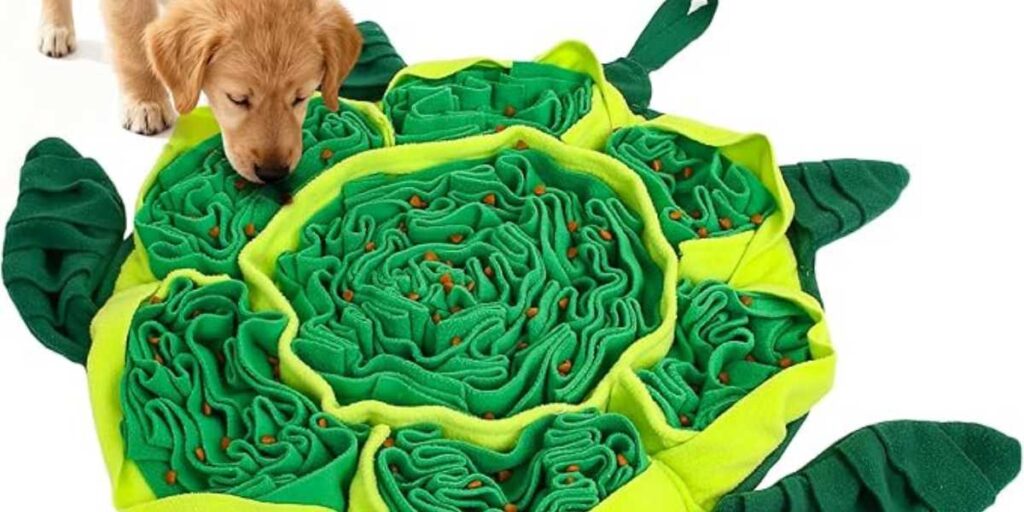
Why Gerry-Anna Loves It: Did you know that 15 minutes of sniffing is as tiring as an hour-long walk? A snuffle mat engages their nose, lowers their heart rate, and calms them down—perfect for rainy Florida afternoons.
Why Gerry-Anna Loves It: Puppies need to chew. If you don't give them a "legal" option, they will choose your baseboards or your new shoes! Benebones are durable, flavored, and easy for dogs to hold.
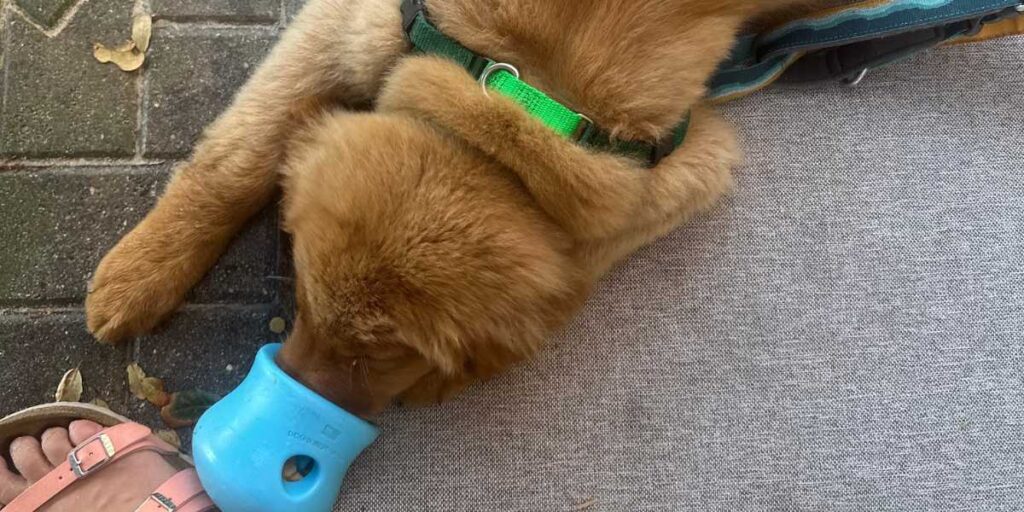
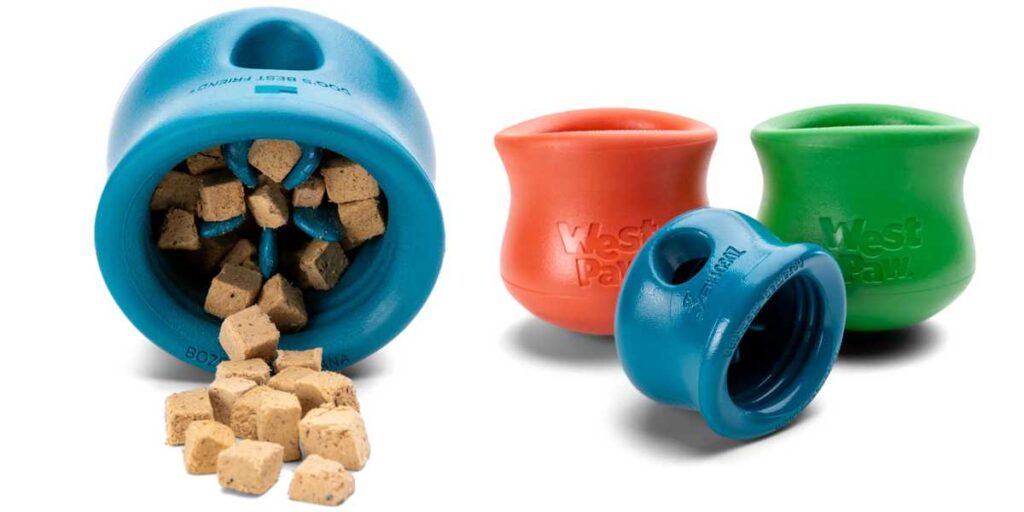
Why Gerry-Anna Loves It: Ditch the food bowl! We love the Toppl toy because you can stuff it with lickable food (like yogurt, pumpkin, or wet food) and freeze it. It acts as a "puppy pacifier" to buy you 30+ minutes of quiet time.
Want to see happy, well-trained dogs in action? Come wave to the Goldstar team!
We will be walking in the Vero Beach Christmas Parade on Saturday, December 7th, along Ocean Drive. Look for the Goldstar Puppy Academy banner and our team of confident canines. We’d love to see our graduates and meet future students!
Ready to start 2025 with a well-behaved dog?
Raising a puppy is a journey, but you don't have to do it alone. Contact us today to book your free consultation and see why we are the top choice for puppy training in Fort Pierce and beyond.