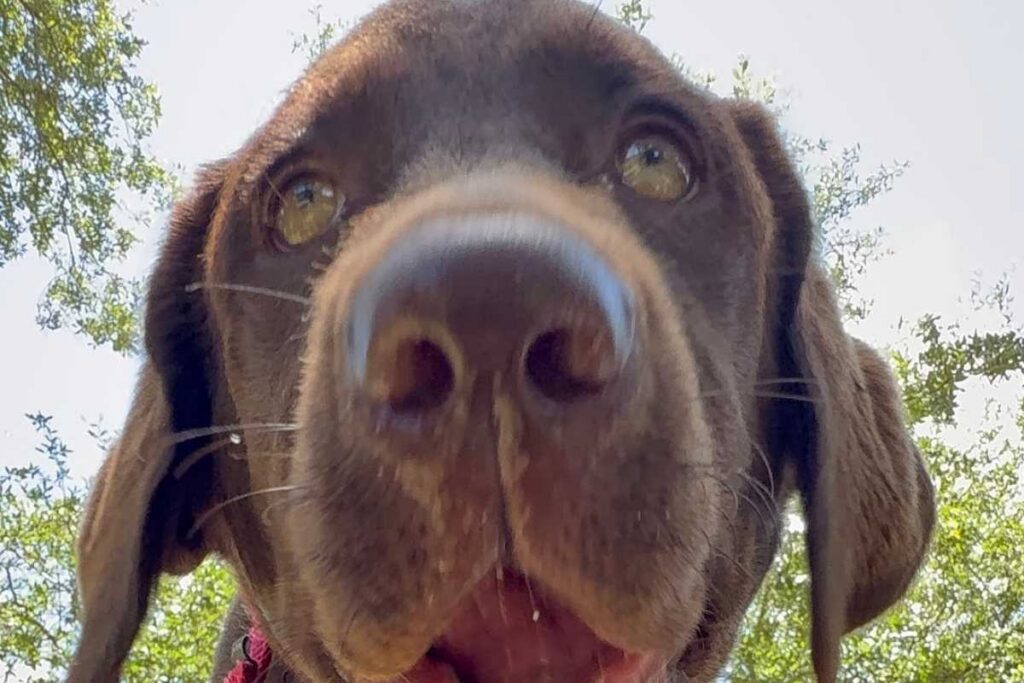
Living on the Treasure Coast means long days of sun, sand, and serious heat. Our dogs feel that heat more than we do. Without sweat glands like ours, they rely on panting, paw pads, and shade to regulate their body temperature and stay cool. That’s why Florida summer dog safety is essential for every pet parent from Fort Pierce to Vero Beach.
This guide will help you keep your pup cool, enriched, and safe—without sacrificing fun or training progress during peak summer.
🐾 Safe Summer Dog Activities in Florida
When temps climb, outdoor fun must be short, shaded, and closely supervised. Here’s how to keep your pup safely active:
Kiddie Pools, Sprinklers & Splash Pads
Create a shaded splash zone in your backyard with a kiddie pool or splash pad. Add floating toys and frozen treats for enrichment—but limit water play to 15–20 minutes and never leave your dog unattended.
Pro Tip: Use a non-slip mat or turf beneath to prevent paw irritation or slipping.
Supervised Sprinkler Sessions
Turn on a low-pressure sprinkler in a grassy, shaded spot and let your pup trot through it. Make it playful but short and cool. Always have drinking water nearby.
Frozen Pool Toys
Drop frozen treats or safe toys in the kiddie pool. Try freezing chicken broth, blueberries, or carrots in ice cube trays and tossing them in—it keeps your pup engaged and cool.
⛔️ Signs of Heat Stress in Dogs
Florida heat can cause dangerous overheating quickly—especially in puppies, seniors, and flat-faced breeds.
Watch for These Red Flags:
Heavy panting or drooling
Bright red, pale, or sticky gums
Wobbliness or disorientation
Vomiting, diarrhea, or collapse
What to Do If You See Signs:
Move to A/C or full shade immediately.
Offer cool, not cold water.
Wet a towel with cool water and drape over paws, belly, and armpits.
Call your vet right away.
Time is critical. Don’t wait—it’s better to be overly cautious.
🚰 Cooling Gear & Hydration Tips
In Florida’s humid climate, some popular cooling gear doesn't work as advertised. Here’s what does:
What Works in Florida Humidity:
Wet cooling vests or towels only – Avoid insulated or gel-filled ones; just soak a plain towel in cool water and drape it over your pup for effective relief
Paw wax or booties – Protects from pavement burns (especially mid-day)
Pop-up tents or shade umbrellas – A must for longer outdoor hangs
Frozen treat bags – Pre-freeze blueberries, peas, or carrots in a ziplock bag for a training-time reward that doubles as a cooling aid
Hydration Hacks:
Always bring fresh water and a collapsible bowl
Add frozen low-sodium chicken broth ice cubes for flavor and cooling
For travel: freeze water in a dish and let it slowly melt during the day
🌅 Early-Morning & Shaded Exercise Options
Beat the heat by adjusting your schedule. The best time for walks in Florida? Before 8:30 AM or after 7 PM, when ground temps are safer.
Local Shady Spots:
Captain Forster Hammock Preserve – Vero Beach 8650 Jungle Trail, Vero Beach, FL 32963 A beautiful forested trail from the Indian River to the ocean with oak hammocks, wetlands, and a shaded beach that’s pet-friendly for leashed dogs. Trail is 0.75 miles one way. Restrooms and water are available at the trailhead.
Indrio Savannahs Preserve – Fort Pierce 5275 Tozour Road, Fort Pierce, FL 34951 Enjoy quiet, dog-friendly nature trails through diverse habitats. Open daily from dawn to dusk. There’s also a canoe pond if you bring your own boat. Leashes required.
St. Sebastian River Preserve State Park – Fellsmere 1000 Buffer Preserve Dr, Fellsmere, FL 32948 Over 60 miles of grassy forest trails for adventurous pups and hikers. Leashed dogs are welcome, but bring water and be mindful of Florida wildlife like gators and deer.
Lagoon Greenway – Vero Beach 8th St & Indian River Blvd, Vero Beach, FL 32960 A scenic 3-mile, pet-friendly trail system across 187 acres of diverse coastal and upland habitat. Great for morning or evening walks with leashed dogs. View Trail Info
Do the 7-Second Test: Hold your hand to the pavement. If it’s too hot for you, it’s too hot for your pup’s paws.
🐶 Positive Reinforcement Training in the Heat
Hot weather is the perfect time to focus on indoor training that cools and connects.
Cool Training Activities:
Mat work & place games
"Find It" treasure hunts
Basic obedience or leash drills indoors
Frozen Reward Ideas:
Bag of frozen peas, blueberries, or carrots
Pupsicles: Freeze chicken broth or bone broth with:
Diced carrots
Apple slices (no seeds)
Your dog’s favorite kibble or small treats
Use ice cube trays or silicone molds. Toss them in your pup's bowl—or even in the kiddie pool for a double cooling bonus.
Training Tip:
Keep sessions short (5–10 minutes), upbeat, and end on a win. If your dog is showing signs of heat stress, stop and cool down immediately.
🏫 Day School: A Cool Place to Learn
Want your pup to keep learning—but safely, indoors, and under expert supervision? Our Goldstar Day School is the perfect summer solution.
Air-conditioned, low-stress environment
Structured play and learning
Positive reinforcement from certified trainers
Safe socialization and midday rest breaks
❤️ Let’s Keep Your Pup Safe This Summer
Whether you’re working long hours, heading on vacation, or just feeling the Florida heat—we can help.
📍 Serving Fort Pierce, Port St. Lucie, Vero Beach, Sebastian & surrounding areas.
✅ Easy Summer Treat Video + Free Shopping List
Make Your Own "Pup-sicles" at Home
Want to beat the heat and enrich your dog’s day? Check out our quick how-to video for making easy frozen treats with just a few ingredients you probably already have!
Does your dog bark every time a neighbor walks by, the doorbell rings, or a sudden sound happens in the house? While barking is a completely natural way for dogs to communicate, excessive barking can quickly become overwhelming for dog parents and frustrating for neighbors.
At Goldstar Puppy Academy, we help dog owners across Vero Beach, Fort Pierce, and Port St. Lucie address unwanted barking using gentle, science-backed positive reinforcement techniques—without relying on harsh bark collars or scolding.
Why Do Dogs Bark Excessive Amounts?
To make lasting changes to your dog's behavior, you first need to understand why they are barking. Barking usually stems from one of four main drivers:
Insecurity or Fear: Many dogs bark at people, dogs, or noises because they feel anxious, threatened, or uncomfortable.
Boredom: A dog without enough physical or mental exercise will often create their own "entertainment" by barking out the window.
Attention-Seeking: Dogs quickly learn that barking at you gets your attention—even if that attention is just you saying "quiet!"
Alerting / Territorial: Barking at delivery drivers, passing cars, or neighbors along the fence line.
Why Bark Collars Aren't the Solution
When faced with endless barking, many owners consider anti-bark or shock collars. However, we strongly advise against them. Bark collars suppress the symptom without addressing the underlying emotion (like fear or anxiety). In many cases, painful or startling corrections actually increase a dog’s anxiety, leading to worse behavioral issues over time.
Instead, replacing the unwanted behavior with a calm, taught skill produces permanent, stress-free results!
5 Proven Strategies to Reduce Excessive Barking
Here are practical, positive reinforcement steps you can implement at home today to create a quieter, calmer environment:
1. Teach a Reliable "Leave It" Skill
Training a solid "Leave It" command indoors first allows your dog to build focus under low distraction. Once mastered, you can use "Leave It" to redirect your dog away from fence lines or front windows when they start to lock onto a trigger.
2. Manage Environmental Triggers
If your dog spends hours staring out the front window waiting for passersby, temporarily block their view. Applying frosted contact paper or window film to the lower section of your front windows prevents visual triggers while keeping your home bright.
3. Boost Daily Mental Stimulation
A tired brain is a quiet brain! Swap standard food bowls for interactive puzzle feeders, lick mats, or snuffle mats. Engaging your dog’s nose through "sniffer walks" or hiding treats around the house burns mental energy far faster than regular walking alone.
4. Ignore Attention-Seeking Barking
If your dog barks directly at you for food, playtime, or attention, avoid making eye contact, talking to them, or scolding them. Immediately turn your back and remove your attention. Reward them with treats or affection only when all four paws are on the floor and they are completely quiet.
5. Anticipate Needs Before Barking Starts
If you know your dog barks right when the mail carrier arrives or when you sit down for dinner, intervene before the barking begins. Give them a high-value chew, a stuffed KONG, or direct them to their "Place" mat ahead of time.
Transform Your Dog's Behavior with Goldstar Puppy Academy
If excessive barking, reactivity, or leash pulling is making daily life stressful, you don't have to navigate it alone. Goldstar Puppy Academy provides expert, in-home and board-and-train coaching tailored to your dog's unique personality throughout Vero Beach, Fort Pierce, Port St. Lucie, and Sebastian.
If you’re starting puppy training in Port St. Lucie this summer, you’re in the perfect season to bond and build habits. Your new pup’s first month is exciting—and a little wild. This “30‑Day Summer Timeline” walks you through each week with Florida heat, family life, and Treasure Coast support in mind...
Week 1: Welcome, Bond & Set Up (Days 1–7)
Goals: Establish a safe space, crate routine, and introduce potty habits. Florida summer tip: Heat peaks by noon—use a shaded patio or early morning cues. Enroll in Private Trainingto kick off with professional support.
Create a cool and comfy indoor crate area Make it near the AC but away from busy foot traffic—use soft bedding and a fan if needed for Port St. Lucie heat.
Schedule round-the-clock potty breaks Take your puppy out every 60–90 minutes during the day, especially after meals, naps, and play.
Keep sessions short & sweet—10–15 min max Puppy brains tire fast! Stick to one cue at a time in a quiet, distraction-free space.
Week 2: Housebreaking + Basic Cues (Days 8–14)
Goals:
Reinforce potty training
Teach basic cues like “sit” and “come”
Build crate confidence
Florida Summer Tip: Use cooling stick-on mats inside and stick to early morning or evening potty runs to beat the heat.
Local Tip: Consider our Day Trainingprogram—your pup gets professional practice during the day while you focus on your routine.
Week 3: Socialization & Chew Control (Days 15–21)
Goals:
Begin safe socialization
Redirect chewing and biting
Expose your pup to everyday family activities
Florida Summer Tip: Use air‑conditioned play zones like pet-friendly stores or indoor training spaces for safe socialization.
Try This Week:
Handling exercises indoors — gently touch their paws, ears, and mouth while they relax inside. It builds trust and sets the stage for vet visits and grooming.
Puppy-safe toys for heat-resistant chewing — frozen Kongs, textured chews, and food puzzles keep pups occupied indoors when it’s too hot to play outside.
Week 4: Recall Practice & Summer Safety (Days 22–30)
Goals:
Build reliable recall at home
Practice leash walking in real-world environments
Reinforce manners around distractions (kids, bikes, beach noise)
Florida Summer Tip: Head to shaded Port St. Lucie nature trails or Vero Beach beaches early in the morning or near sunset to avoid heatstroke risks.
Need Support? Try our Online Coursefor flexible, video-based summer training—or enroll in our Board & Trainprogram for expert help when time is tight.
🛑 Common Pitfalls (And How to Avoid Them)
Skipping crate training? Leads to regressive behaviors by week 2.
Long gaps during travel? Use Day School to maintain consistency.
Group Classes: Practice in a fun, social environment
Board & Train / Day School: Intensive immersion with overnight or daily follow-through
Summer = Opportunity
Summers on the Treasure Coast offer flexibility—use them! With this week-by-week timeline and localized tips, you’ll shape good habits and build lasting bonds. Keep the heat in mind, lean on your family and local support, and enjoy the adventure.
For many families, summer feels like the perfect time to welcome a new puppy. School’s out, schedules are more flexible, and there’s more time to bond and train—but is it really the best time?
Here’s what to consider before you commit to a summer pup:
☀️ The Pros of a Summer Puppy
More Time at Home: Whether you're off work more often or just home with the kids, summer offers a rare chance to establish routines with fewer interruptions.
Potty Training Boost: Fewer accidents inside! Warm weather means you’ll be more willing to head outside regularly for potty breaks, helping your puppy learn faster.
Family Involvement: Kids are more available to help, which teaches responsibility and provides your puppy with more socialization opportunities.
🛑 What to Watch Out For
Travel Plans: If you’re going away for vacation, a new puppy may not be the best fit right now. Puppies need consistency—boarding or leaving them with a friend during this bonding phase can be disruptive.
Florida Heat: Midday potty breaks and training sessions can be tough in the sun. Plan early morning or late evening outings and always provide shade and water.
Supervision Still Matters: Just because you’re home doesn’t mean you’re free. Puppies need your full attention during the early weeks, especially for housebreaking and chewing prevention.
👨👩👧👦 Family Tips for Summer Success
Build a daily schedule that includes potty breaks, meals, play, and quiet time.
Use your free time to start basic training cues and crate training early.
If kids are helping, give them one or two consistent responsibilities like feeding or brushing.
🎁 Bonus Help for New Puppy Parents
Want a step-by-step guide for crate training, potty training, biting, and socialization?
It’s packed with simple tips that work in real life, and it’s yours free when you join our email list. No fluff, just support that actually helps.
🖥️ NEW: Prefer to learn at your own pace? Check out our brand-new Online Puppy Training Courses — designed to help you transform your puppy’s behavior in just 30 days.
Springtime in Florida brings sunshine, warmer temperatures, and lots of outdoor fun for pups and their people. But with the change in season also comes an increase in shedding, pesky fleas and ticks, and pet hair collecting on every surface of your home.
This guide will help dog parents in Fort Pierce, Port St. Lucie, Vero Beach, and across the Treasure Coast prepare for the season with practical tips on managing shedding, protecting your pup from parasites, and keeping your home fresh and clean.
Managing Spring Shedding in Dogs
As the days get longer and the weather warms, most dogs begin to shed their winter coats. This natural process—especially common in double-coated breeds—helps your pup stay cool in Florida’s humid climate. But for pet parents, it can feel like fur is flying everywhere.
Daily Brushing Is a Must
Brushing your dog daily helps reduce loose hair, prevents matting, and improves coat health. Choose a brush based on your dog’s coat type:
Short-haired breeds: Use a rubber curry brush or grooming glove to lift loose hair and dirt.
Long-haired breeds: A slicker brush or pin brush will detangle and reduce mats.
Double-coated breeds (like Huskies, Golden Retrievers): Use an undercoat rake to reach the thick, dense layer of fur beneath the surface.
Regular brushing also gives you a chance to check your dog’s skin for any signs of fleas, ticks, or irritation.
Bathe with Purpose
Spring is a great time to freshen up your pup with a gentle bath. Aim for once every 4–6 weeks unless they’ve rolled in something smelly.
Use a deshedding shampoo to loosen the undercoat.
Follow with a moisturizing conditioner to prevent dry, itchy skin.
Dry thoroughly and brush again afterward to catch any remaining loose fur.
Keep in mind: Overbathing can strip natural oils from your dog’s coat, so don’t overdo it.
Flea and Tick Prevention in Florida’s Humid Climate
If you’ve lived in Florida for any length of time, you know how relentless the fleas and ticks can be, especially in spring and summer. The warm, humid weather creates the perfect environment for these pests to thrive.
Stay Ahead with Vet-Approved Preventatives
Prevention is always easier (and cheaper) than treatment. Talk to your veterinarian about the best options based on your dog’s lifestyle, health, and risk factors. Here are some common and effective choices:
Topical Treatments: Monthly spot-on treatments are easy to apply and kill fleas and ticks quickly.
Oral Medications: Chewable tablets provide systemic protection and are often favored by pet parents who want to avoid messy applications.
Flea Collars: Modern flea collars can provide up to 8 months of protection and are great for dogs who spend a lot of time outdoors.
Some products also protect against other parasites, such as heartworms and intestinal worms, so be sure to ask your vet about multi-functional options.
Natural Flea and Tick Repellents
If you prefer a more holistic route—or want an extra layer of protection in addition to your vet’s recommendations—consider these natural options:
Apple Cider Vinegar (ACV): Adding a small amount of raw, unfiltered ACV to your dog’s water (about one teaspoon per 50 lbs of body weight) may help make their skin less attractive to fleas. Always check with your vet before adding anything new to their diet.
Diatomaceous Earth (DE): Sprinkle food-grade DE on carpets, pet bedding, and around the yard. It kills fleas by dehydrating them, but it must be used with care to avoid inhalation by you or your pup.
Essential Oil Sprays: Fleas dislike certain essential oils, such as lavender, peppermint, cedarwood, and lemongrass. Use dog-safe formulas or make your own (but never apply undiluted oils directly to your dog—some can be toxic).
Natural solutions work best in combination with regular grooming and a clean home environment.
Cleaning Your Home: Pet Hair & Odor Management
When shedding season hits, keeping your home clean becomes a daily challenge. But with the right tools and techniques, you can keep your space fresh and fur-free—even in the middle of Florida springtime.
Removing Pet Hair from Furniture & Floors
Vacuum Often: Use a vacuum designed for pet hair with strong suction and a HEPA filter. During peak shedding, hit high-traffic areas and pet beds daily.
Use Lint Rollers & Rubber Gloves: Lint rollers are perfect for couches, while damp rubber gloves can help lift hair from upholstery and car seats.
Try Microfiber Mops: On hardwood, tile, or laminate floors, microfiber mops trap hair better than brooms, which tend to push it around.
Reducing Pet Odors Naturally
Baking Soda: Sprinkle it on carpets and dog beds, let it sit for 15–20 minutes, then vacuum. It absorbs odors without any harsh chemicals.
Wash Bedding Weekly: Wash your dog’s bedding and favorite blankets once a week in hot water with pet-safe detergent.
Enzyme Cleaners: For accidents or musty smells, enzyme cleaners break down odor-causing bacteria instead of just masking the odor.
Air Purifiers: A purifier with a HEPA filter and activated carbon can remove pet dander, odors, and allergens—especially helpful if someone in your home has allergies.
Springtime Pet Care = A Happier, Healthier Dog
Spring in Florida is beautiful, but it’s also a busy season for dog care. By staying on top of shedding, using effective flea and tick prevention, and keeping your home clean and fresh, you’ll set your pup (and yourself) up for a healthier, more comfortable spring.
Ready to Get Your Dog Springtime-Ready the Goldstar Way?
Book a free puppy consult today and let our certified trainers in Fort Pierce, Port St. Lucie, Vero Beach, and Sebastian guide you through every season of dog ownership.