Resource guarding is a behavior in which dogs feel the need to protect their possessions, such as food, toys, or even spaces. While it is a natural instinct, allowing it to go unchecked can lead to aggressive tendencies as your puppy ages. Fortunately, resource guarding can be prevented and even corrected with the right approach. In this guide, we’ll discuss proven strategies to prevent resource guarding and help your puppy feel secure, confident, and trusting.
What Is Resource Guarding and Why Does It Happen?
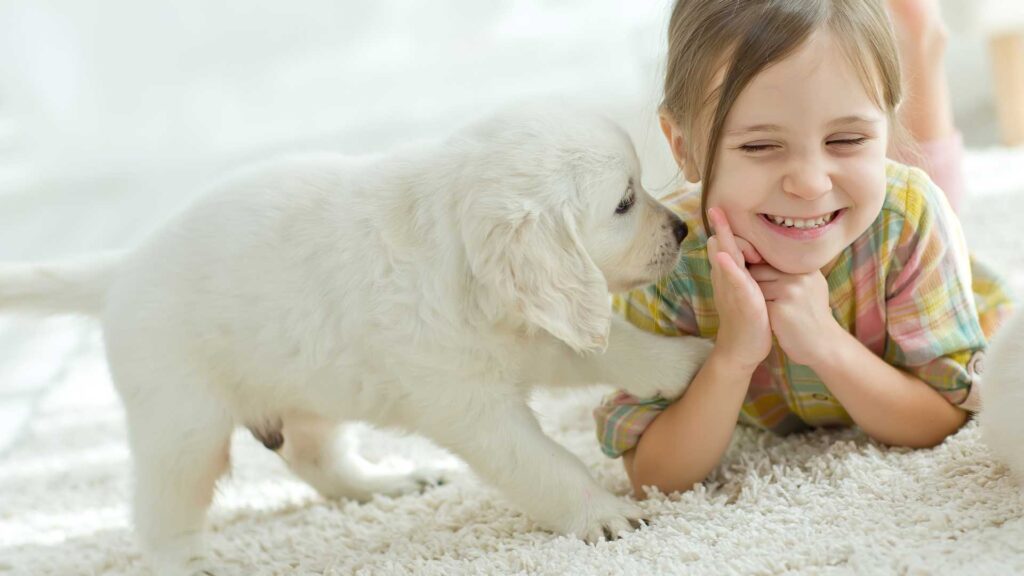
Resource guarding occurs when a dog or puppy becomes defensive over things they perceive as valuable. This behavior is commonly seen with food but can extend to toys, bedding, or even certain people.
Common signs of resource guarding include:
Growling, snarling, or baring teeth when someone approaches food or toys
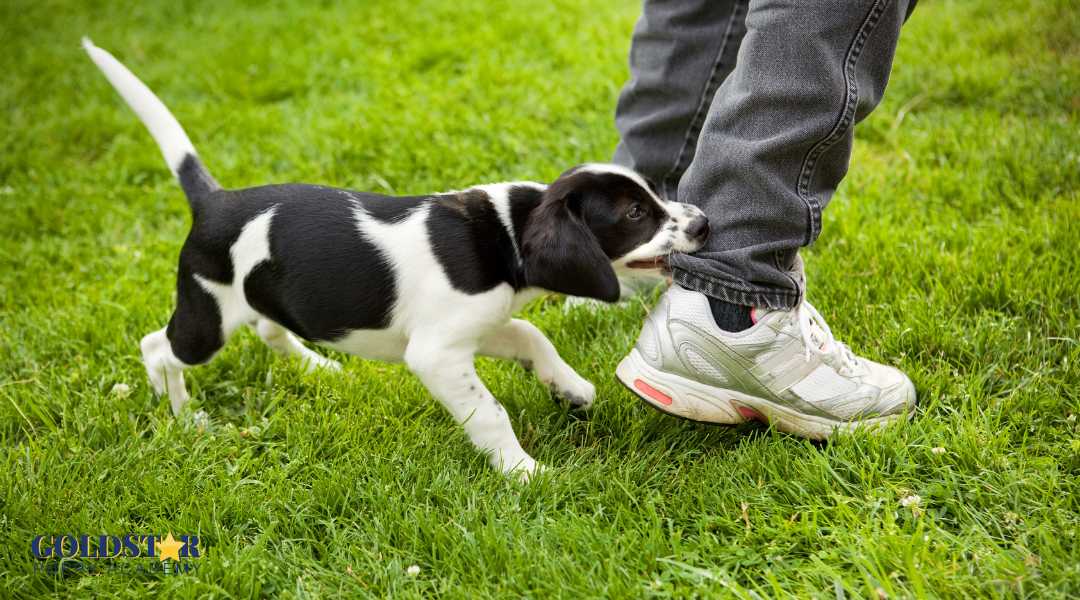
Snapping or biting to protect their "valuables"
Freezing or stiffening their posture when someone gets too close to a guarded item
Resource guarding often stems from fear, insecurity, or competition, especially in multi-pet households. If your puppy feels threatened, they may become defensive in protecting their possessions.
Outdated Methods That Can Worsen Resource Guarding
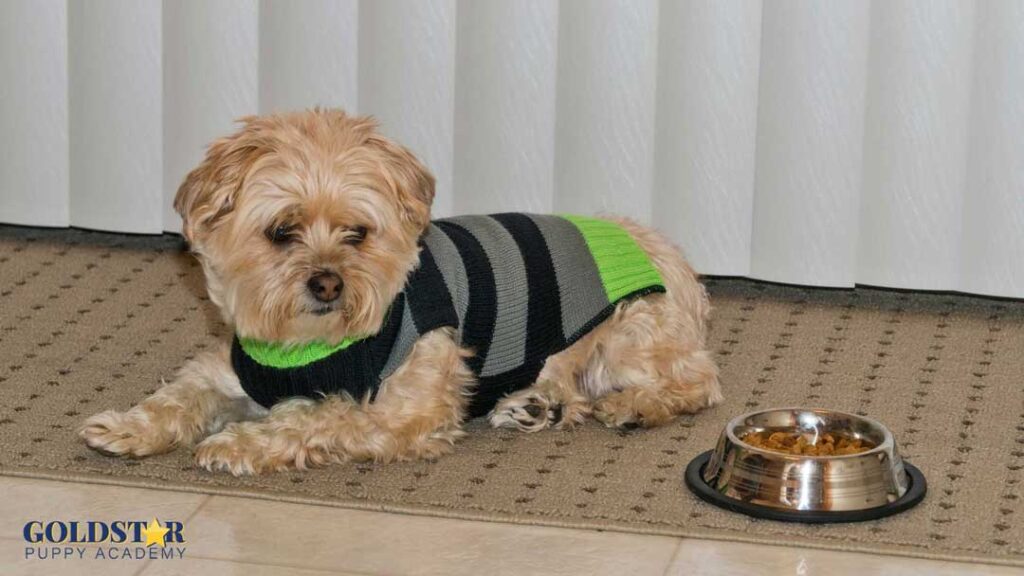
A common outdated piece of advice suggests sticking your hand in a puppy’s food bowl while they eat. While this may seem like a good way to teach your puppy to tolerate human presence during meals, it can actually create anxiety around food, leading to defensive or guarding behavior that wasn't initially present.
Imagine this scenario: You're eating your favorite meal, and someone interrupts by touching your food. How would you react? Your puppy feels the same way when you invade their space during meals.
Proven Methods to Prevent Resource Guarding in Puppies
Preventing resource guarding doesn’t require invasive techniques. In fact, fostering a calm, secure environment where your puppy associates human interaction with positive experiences is key. Here are effective strategies to implement at home:
1. Feed Your Puppy in a Safe, Enclosed Space
Feeding your puppy in a designated area, such as a crate or exercise pen, allows them to feel safe and secure. The enclosed space removes the need for them to feel defensive or threatened by distractions.
Why it works: By creating a consistent routine in a peaceful environment, your puppy learns that their meal is protected and they don’t need to worry about interruptions.
2. Use Positive Reinforcement During Mealtime
Using positive reinforcement techniques can help prevent guarding by creating a positive association with humans being around during meals.
How to do it: While your puppy is eating, walk by and drop a high-value treat, such as a piece of chicken, into their bowl. This teaches your puppy that your presence around food leads to something rewarding, reducing the likelihood of guarding.
Pro Tip: Gradually approach closer while they eat to normalize your presence. If your puppy associates you with positive reinforcement, they’re less likely to display guarding behaviors.
3. Avoid Punishing or Taking Away Items Forcefully
Punishing your puppy for growling or guarding can exacerbate anxiety and make the behavior worse. Similarly, forcefully taking items from them can trigger defensive reactions. Instead, focus on trading or exchanging items for something of higher value.
How to do it: If your puppy is guarding a toy or treat, offer them a higher-value treat or toy in exchange. This teaches them that giving up one item leads to a better reward, rather than having their possession forcefully removed.
Early Warning Signs & Advanced Tips
How to Identify Early Signs of Resource Guarding
Early signs of resource guarding can be subtle but should not be ignored. Watch for behaviors like:
Stiffening or freezing when someone approaches their food or toys
Fast eating or hoarding behavior during meals
Low growls or quick nips if disturbed during play or mealtime
If you notice these signs, early intervention with positive reinforcement and professional training can help curb the behavior before it escalates.
Practice the "Leave It" Command
The "leave it" command is essential in teaching your puppy to relinquish items without anxiety. Start training with low-value objects and gradually increase the difficulty as your puppy masters the command.
Encourage Socialization and Cooperative Play
Helping your puppy feel comfortable around other pets and people can reduce the likelihood of guarding behaviors. Engage your puppy in cooperative play, such as fetch or tug-of-war, where they learn to share toys and enjoy interaction.
Building Trust & When to Seek Professional Help
Preventing resource guarding in puppies is all about building trust and positive associations. By using positive reinforcement, feeding in a safe space, and avoiding forceful actions, you can help your puppy feel secure and confident. Early intervention and consistent training will ensure that your puppy grows into a well-mannered adult dog.
If your puppy is already exhibiting strong signs of resource guarding, such as growling, biting, or stiffening when approached, it’s important to seek the help of a certified dog trainer. A professional can provide targeted strategies and behavior modification plans tailored to your puppy’s needs.
Need Further Support in Vero Beach & The Treasure Coast?
If you need expert guidance to curb resource guarding, Goldstar Puppy Academy is here to help you and your puppy succeed with gentle, science-backed methods.
Summer on the Treasure Coast is a beautiful time for backyard cookouts, family gatherings, patio dinners, and 4th of July celebrations. But for dogs, the holiday can feel loud, busy, tempting, and overwhelming. If you are wondering how to help dogs with fireworks while keeping them safe around sizzling grills and open gates, you are definitely not alone.
At Goldstar Puppy Academy, we help families prepare their dogs for real-life situations, not just basic obedience in a quiet room. Here is your 4th of July backyard safety and obedience survival kit to help your dog stay safe, settled, and better behaved during the holiday week.
Why Is the 4th of July So Stressful for Dogs?
The 4th of July brings several challenges at once.
Your dog may be dealing with:
New people arriving
Gates and doors opening often
Loud voices and excited children
Food left within reach
Grill smells and dropped scraps
Fireworks, thunder, or sudden outdoor noise
Changes to their normal routine
For many dogs, this is a lot to process. A dog who jumps, barks, steals food, pulls toward guests, or panics during fireworks is not trying to “be bad.” They are usually overstimulated, under-managed, unsure what to do, or missing the structure they need to make better choices.
That is where preparation matters.
How Do I Stop My Dog From Jumping on Backyard Guests?
Guest arrivals are one of the biggest trouble spots during holiday gatherings.
When people walk into the yard, your dog may rush the gate, jump on guests, bark, or weave between people’s legs. This can be stressful for guests and unsafe for your dog, especially if the gate is opening and closing.
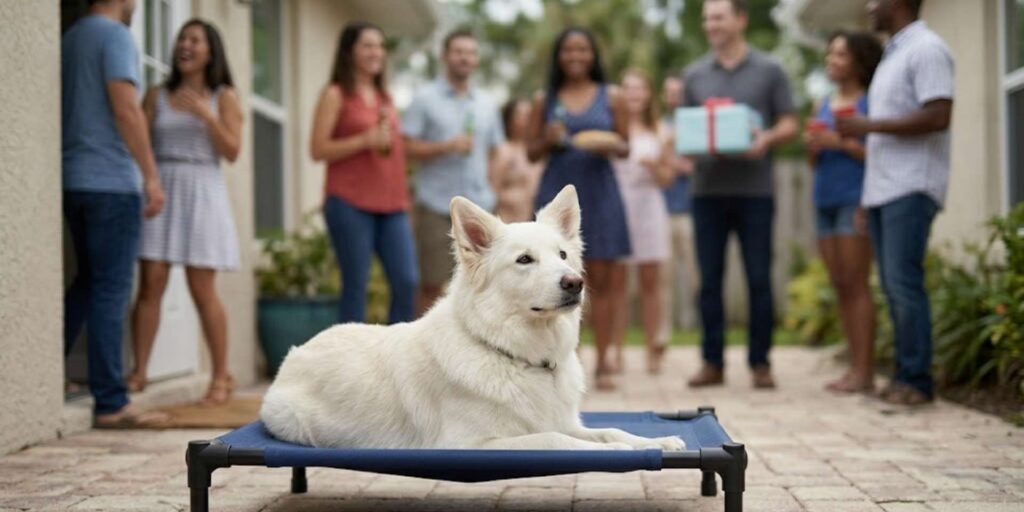
The best strategy is to give your dog a job before guests arrive.
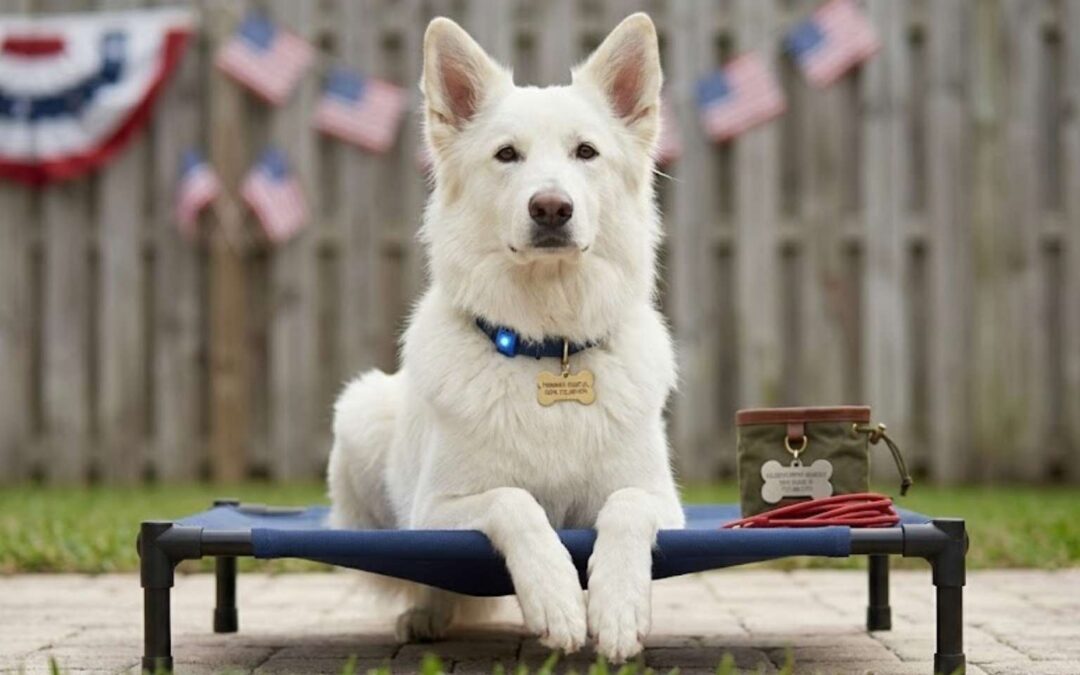
A reliable “Place” command can be extremely helpful. Choose a specific mat, raised cot, or bed where your dog can settle away from the main entrance. Practice sending your dog to that spot before the party begins, not after everyone has already arrived.
You can reward your dog with:
Small training treats
A long-lasting chew
A stuffed food toy
Calm praise
Short breaks away from the crowd
If your dog is still learning, use a leash, baby gate, crate, or exercise pen to help manage the environment. Management is not failure. It is smart training. It prevents your dog from practicing behaviors you do not want, like jumping, rushing the gate, or knocking into guests.
How Can I Keep My Dog Safe Around the Grill and Food Tables?
Backyard barbecues are full of temptation for dogs.
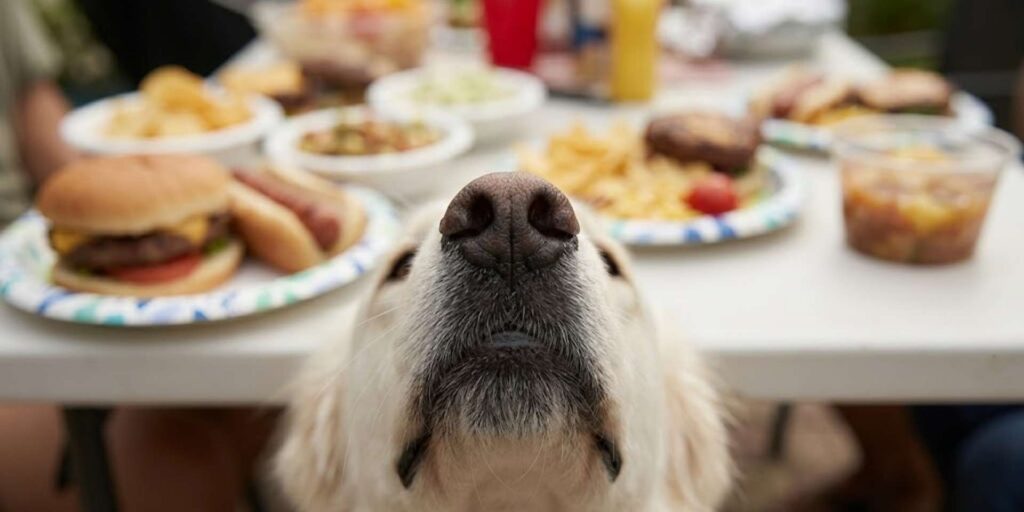
The grill smells exciting. Food gets dropped. Guests may not know what your dog can and cannot have. Kids may walk around with plates at dog-nose level. That creates the perfect setup for counter-surfing, begging, stealing food, or eating something unsafe.
Before the party starts, decide where your dog should be while food is being prepared and served.
Helpful options include:
A “Place” mat away from the grill
A crate or quiet indoor area
A leash attached to a responsible adult
A gated section of the patio or yard
A safe enrichment toy during meal time
Avoid letting your dog hover near the grill, food table, trash bag, or children eating on low chairs. Cookout foods can cause problems for dogs, especially fatty scraps, cooked bones, corn cobs, onions, skewers, desserts, alcohol, and dropped wrappers.
The goal is not to wait until your dog steals something. The goal is to set up the environment so they do not get the chance.
What Is the Best Way to Use the “Place” Command During a Party?
The “Place” command works best when your dog already understands it before the party begins.
If your dog has never practiced place training, the middle of a loud backyard gathering is not the time to teach it from scratch. Start earlier in the week with short, successful practice sessions.
Use the place command during:
Guest arrivals
Food prep
Meal time
Kids running through the yard
High-energy moments
Fireworks prep before going indoors
Keep the early practice simple. Send your dog to their mat, reward them, release them, and repeat. Over time, increase the duration and distractions.
For holiday gatherings, your dog does not need to be perfect. They need enough structure to understand where they should be and what behavior is expected.
How Do I Help My Dog Handle Fireworks and Loud Noises?
Fireworks can be frightening, even for confident dogs.
Some dogs shake, pace, bark, hide, pant, drool, or try to escape when loud noises begin. Others become restless or clingy. The best thing you can do is prepare before the noise starts.
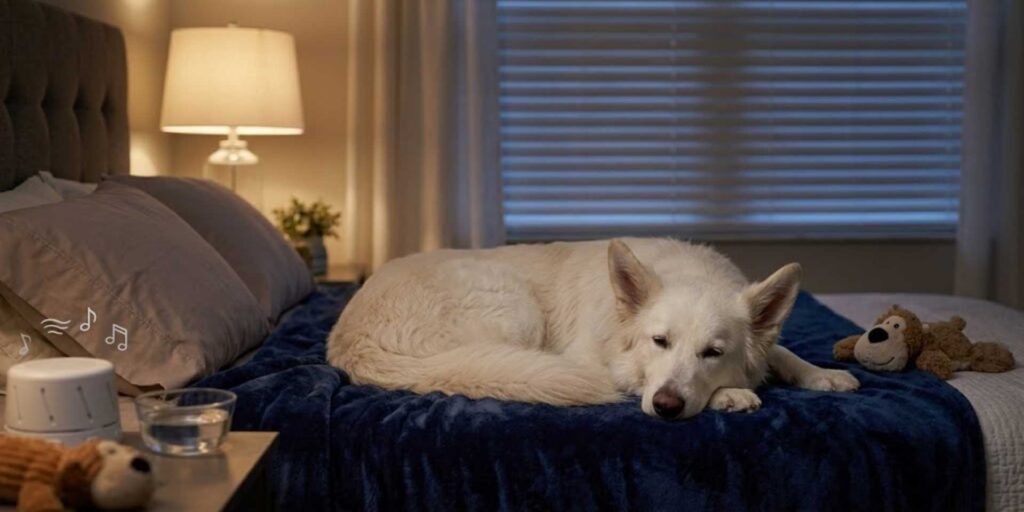
Set up a quiet indoor retreat before evening.
Choose a secure space such as:
A bedroom
A laundry room
A crate area
An interior room with fewer windows
A familiar resting spot
Close windows and blinds. Turn on a fan, television, calming music, or white noise to help soften sudden sounds. Make sure your dog has water and a comfortable place to rest.
Do not leave your dog outside during fireworks. Even dogs who normally enjoy the yard can panic and try to escape when loud booms begin.
If your dog wants to hide, let them hide. Do not force them to “face it” or pull them into a busy room. Calm support and a secure space are more helpful than pressure.
How Can I Prevent My Dog From Escaping During a Holiday Party?
Holiday gatherings increase escape risk because gates and doors open more often.
Before guests arrive, walk your fence line and check for:
Loose boards
Gaps under the fence
Gates that do not latch properly
Areas where your dog has tried to dig
Side doors or garage doors that may be left open
During active party hours, consider keeping a lightweight leash on your dog when they are outside with guests. This gives you a quick way to guide them away from gates, food tables, or overstimulating moments.
Also make sure your dog’s collar tags are current and that microchip information is updated with your correct contact information.
A few minutes of prevention can save a lot of panic later.
How Should Kids and Dogs Be Supervised During Holiday Gatherings?
Kids and dogs can have wonderful relationships, but backyard parties can be overwhelming.
Running, shouting, sudden hugging, grabbing, chasing, and food in small hands can create stress for dogs. Even a sweet, friendly dog may need breaks.
Set clear rules for children before the party begins.
Remind children:
Do not chase the dog.
Do not hug or climb on the dog.
Do not bother the dog while eating or resting.
Do not follow the dog into their crate or quiet space.
Do not feed the dog without permission.
Assign one responsible adult to supervise dog and child interactions. This should not be a casual “everyone is watching” situation. When everyone is watching, usually no one is watching.
If your dog seems tense, tired, overstimulated, or avoidant, give them a break in their quiet indoor space.
When Should I Get Professional Training Help Before the Holiday?
If your dog already struggles with jumping, counter-surfing, barking at guests, pulling on leash, door dashing, panic during storms, or difficulty settling, holiday advice may not be enough on its own.
Those behaviors usually need structure, repetition, and a plan that fits your dog and your home.
Professional training can help your dog learn:
Better guest manners
Boundary training
Place command
Leash control
Calm settling skills
Safer routines around food
Confidence around distractions
More reliable behavior during family gatherings
The earlier you start, the better. Waiting until the day before a major holiday usually leaves everyone stressed.
Goldstar Puppy Academy can help you decide whether your dog would benefit from private training, group classes, Day Training, Day School, Sleepaway Camp, or a Behavioral Wellness Plan Assessment.
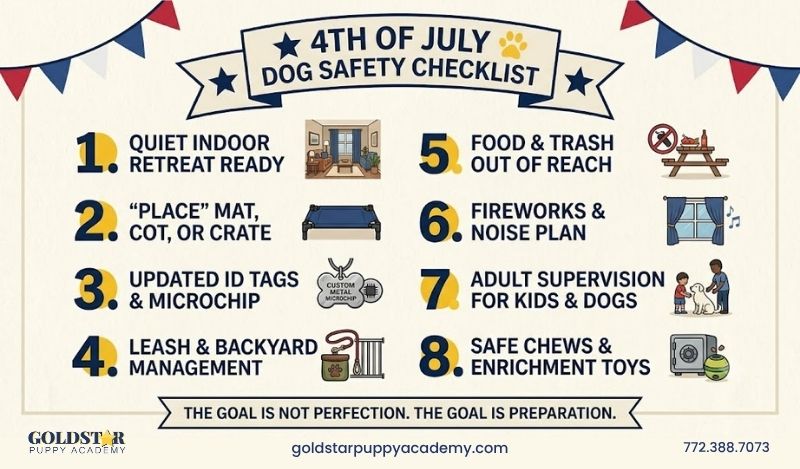
4th of July Dog Safety Checklist
Before your celebration begins, make sure you have:
A quiet indoor retreat ready
A place mat, cot, crate, or gated area
Updated ID tags and microchip information
A leash available for backyard management
Food and trash kept out of reach
A plan for guest arrivals
A plan for fireworks and loud noises
Adult supervision for kids and dogs
Safe chews or enrichment toys ready
A clear break plan if your dog gets overwhelmed
The goal is not perfection. The goal is preparation.
What should I do if my dog panics during fireworks?
Move your dog to a secure indoor area with familiar bedding, fresh water, and background noise. Keep your own energy calm and avoid forcing your dog outside or into a busy room. If fireworks stress is severe, reach out for professional guidance before the next holiday or storm season.
How do I stop my dog from stealing food from tables?
Prevent access first. Keep food out of reach, use a leash or gated space during meals, and reinforce a reliable “Place” command. Dogs repeat behaviors that work, so the goal is to stop the stealing before it becomes a habit.
Is a backyard gate secure enough during a holiday party?
Not always. Guests may forget to latch gates, children may run in and out, and dogs can slip through quickly. Use leash management, gate checks, and a second barrier when possible.
Should my dog be outside during fireworks?
No. Dogs should be brought indoors before fireworks begin. Loud, sudden noises can cause panic and escape attempts, even in dogs who usually enjoy being outside.
Can training really help with holiday behavior?
Yes. Training gives your dog structure and teaches them what to do instead of jumping, barking, stealing food, rushing gates, or panicking in busy environments. The best results come from practicing before the holiday, not during the chaos.
Set Your Dog Up for a Safer, Calmer Summer
Backyard gatherings should be fun, not a stressful management nightmare. Don’t spend another holiday hiding in a back bedroom or constantly chasing your pup away from the hot grill.
Real-life obedience takes consistent practice before the holiday chaos arrives. At Goldstar Puppy Academy, we help families prepare their dogs for these exact real-world situations, giving you your peace of mind back.
Are you looking for premier puppy board and train near Vero Beach, Fort Pierce, or Port St. Lucie? Imagine coming home to a calm, polite puppy who listens on the first command, walks like a dream on a leash, and handles real-world Florida distractions with total confidence!
At Goldstar Puppy Academy, we’ve reimagined traditional dog boarding into something far more rewarding: our exclusive Sleepaway Camp (Board & Train)! Designed specifically for puppies across the Treasure Coast, this immersive program lays a rock-solid behavioral foundation while saving you months of stress and frustration.
What Is Sleepaway Camp? (The Ultimate Puppy Board & Train Experience)
Sleepaway Camp isn’t a cold, noisy kennel stay—it is an immersive, home-style learning adventure! Your puppy lives directly in the comfortable home of one of our certified expert trainers in the Vero Beach area. They receive 24/7 care, structured socialization, and constant positive reinforcement.
During their stay, your pup will master essential real-world obedience skills, including:
Rock-Solid Recall: Coming when called on the first try—even with ocean breezes and outdoor distractions.
"Place" & Settle: Learning to relax quietly while you enjoy dinner or relax around the house.
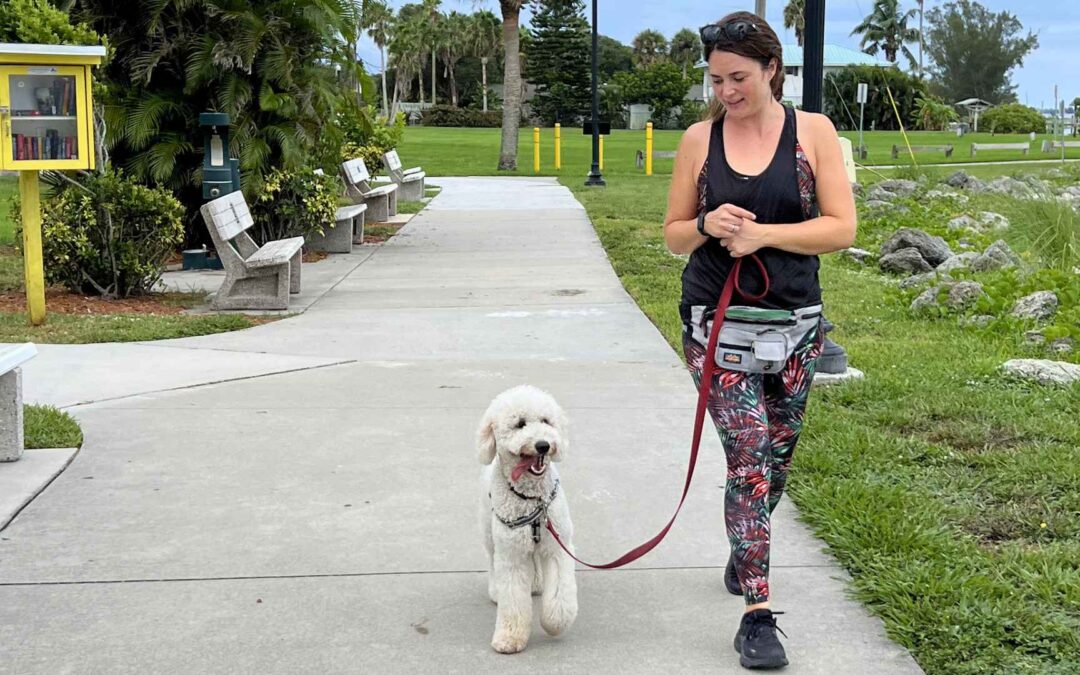
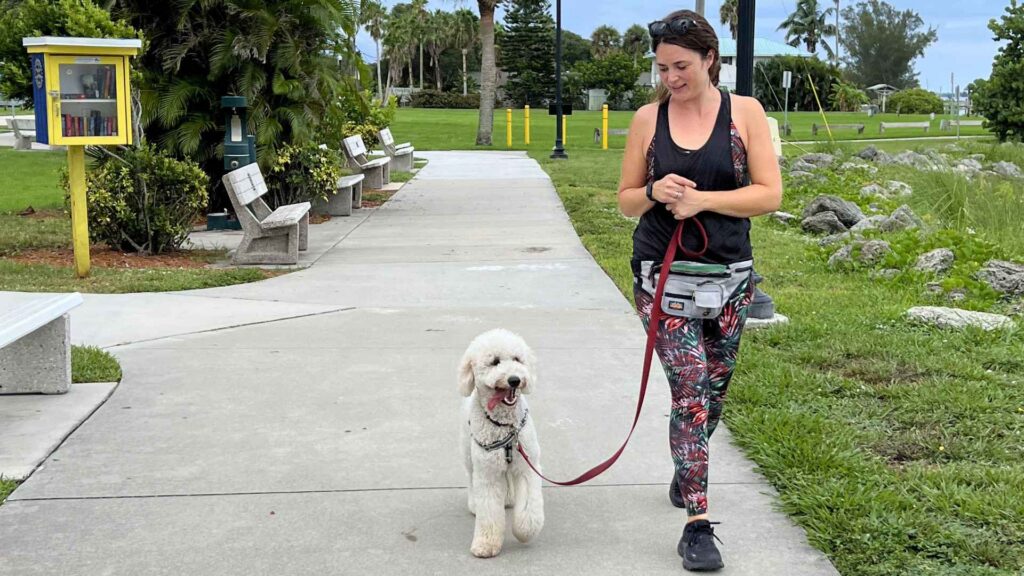
Polite Loose-Leash Walking: Strolling comfortably by your side through local parks and neighborhood walks.
Crucial Boundaries: Mastering "Leave It", "Drop It", and waiting politely at open doors.
Potty & Crate Routines: Establishing reliable habits that seamlessly transition back to your home.
Why Local Treasure Coast Owners Love Puppy Board & Train
Think of Sleepaway Camp as the ultimate training wheels for your puppy’s life skills. Instead of struggling through months of biting, jumping, and potty mishaps on your own, our expert trainers lay the heavy groundwork for you!
Here is why local puppy parents in Vero Beach, Fort Pierce, and Port St. Lucie choose our program:
Saves Time & Stress: Busy work schedules and family life can make daily puppy training overwhelming. We do the heavy lifting for you!
Prevents Future Separation Anxiety: Experiencing a positive home-away-from-home stay early in life builds independence and confidence when you travel later.
Stops Bad Habits Before They Start: We tackle common puppy problems like nipping, leash pulling, and door-darting before they turn into permanent adult habits.
Safe, Positive Socialization for Florida Pups
Early socialization is the single most important factor in preventing fear and reactivity in adult dogs. At Sleepaway Camp, your puppy gets controlled, positive exposure to new sights, sounds, textures, and friendly dogs in a safe, controlled environment.
Whether it's getting comfortable with unexpected outdoor noises or practicing polite manners around friendly people, we ensure your puppy grows into a brave, social, and adaptable companion you can proudly take anywhere on the Treasure Coast!
Ethical, Reward-Based Methods You Can Trust
Your puppy's happiness and emotional well-being are always our top priorities. We never use shock collars, prong collars, or fear-based techniques. Instead, we use science-backed positive reinforcement techniques that make learning fun and rewarding!
Positive Reinforcement: Good choices earn high-value treats, affection, and playtime!
Gentle Redirection: Unwanted behaviors are redirected calmly without intimidation or fear.
Real-World Proofing: We gradually introduce everyday distractions so your pup listens reliably everywhere—from your living room to a beach sidewalk!
6 Months of Included Support to Guarantee Lasting Results
The real secret to board and train success is what happens when your puppy returns home! To ensure your pup listens just as well for you as they do for us, every Goldstar Sleepaway Camp package includes 6 months of comprehensive follow-up support.
Your ongoing support package includes:
In-Person Transfer Sessions: Hands-on coaching to teach you how to handle and maintain your puppy's new skills.
Live Weekly Zoom Q&As: Direct expert advice whenever new questions pop up at home.
Custom Video Lessons: Step-by-step refreshers you can watch anytime.
Group Practice Classes: Practice manners in controlled settings with other local puppy parents.
Questions to Ask When Choosing a Board & Train Program
Not all board and train programs on the Treasure Coast are created equal. Many big-box facilities keep dogs in kennels for hours or use quick-fix shock collars that create fear. Before enrolling your pup anywhere, always ask these crucial questions:
Will my puppy stay in a cozy home environment or a commercial kennel grid?
What tools are used to teach commands, and how are mistakes handled?
What follow-up support is included after my puppy comes home?
Ready to Transform Your Puppy's Behavior?
Give your pup the best start in life with the Treasure Coast's favorite puppy sleepaway camp! Whether you're located in Vero Beach, Sebastian, Fort Pierce, or Port St. Lucie, Goldstar Puppy Academy is here to turn puppy chaos into peace of mind.
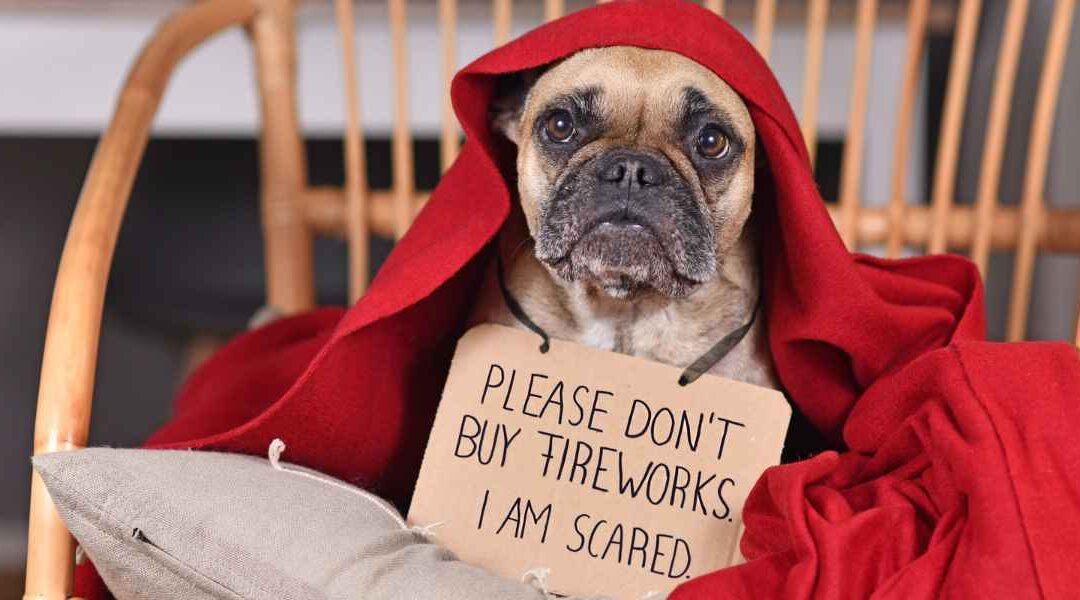
The 4th of July is right around the corner—and while it's full of fun for humans, it can be downright terrifying for our four-legged friends. If you are stressing over how to calm dogs during fireworks or Florida's intense summer thunderstorm season, you are definitely not alone.
As a professional dog trainer in Vero Beach, I hear this every year:
“How can I help my dog cope with fireworks or thunder?”
If your pup hides, trembles, pants, paces, barks, or tries to escape during loud noises, you're not alone—and there's help.
How to Calm Dogs During Fireworks: Goldstar’s Step-by-Step Strategy
1. Keep Your Pup Indoors and Secure
More dogs go missing on the 4th of July than any other day of the year. Keep doors and gates securely closed. Microchip info up to date? Now’s the time to check.
2. Create a Safe Haven
Set up a cozy “den” where your dog can retreat. Try:
A covered crate in a quiet room
Familiar bedding or an old t-shirt with your scent
Low lighting and background noise
3. Use Food to Create Positive Associations
Every boom can become an opportunity for bonding if you pair it with something good. Try:
Tossing high-value treats after each firework or thunderclap
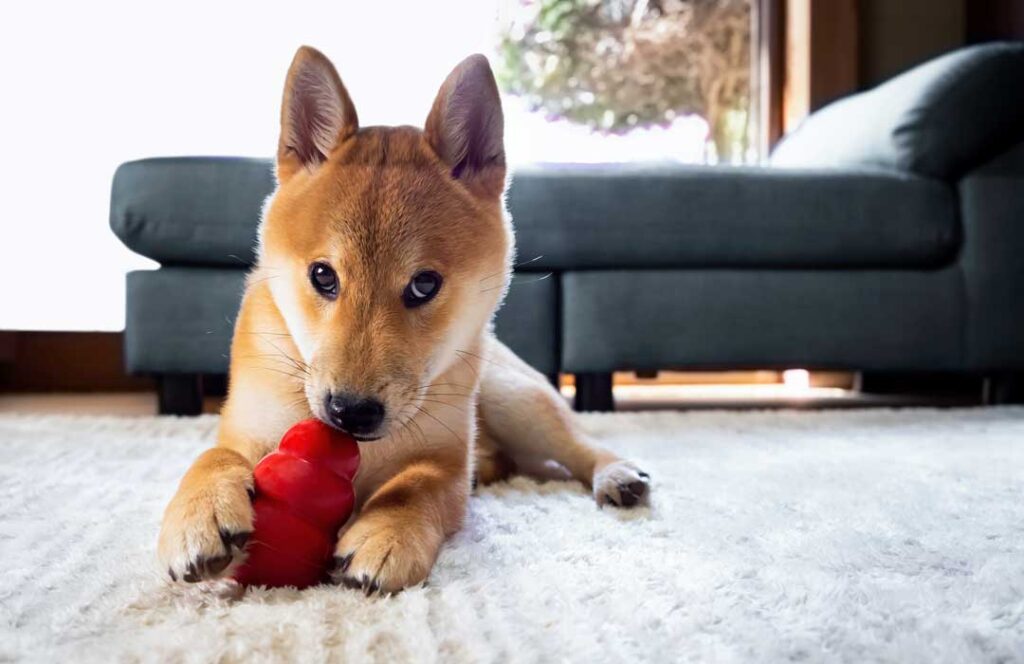
Offering a stuffed Kong with frozen peanut butter or cream cheese
Using a lick mat or puzzle toy to redirect anxious energy
4. Turn Up the White Noise
Run a fan, play calming music, or leave the TV on (low volume). It doesn’t have to drown out the booms completely—it just helps soften the contrast.
5. Dim the Light Show
Dogs can be startled by lightning or firework flashes. Close blinds, pull curtains, and avoid letting them near windows after dark.
6. Teach a “Calm Zone” Behavior Ahead of Time
If your dog has been trained to relax on a mat or bed, now’s when that skill shines. Practice in advance using positive reinforcement—then use it during noisy events to reinforce safety and confidence.
7. Talk to Your Veterinarian Early
If your dog shows severe signs of fear, don’t wait. Ask your vet about calming supplements, anxiety wraps, or medication. The sooner, the better—appointments around July 4th book up quickly.
Bonus Tips from a Dog Trainer in Vero Beach
Begin sound desensitization now: Play fireworks or thunder tracks quietly and pair them with treats.
Schedule potty breaks before dark: Avoid outdoor stress during firework time.
Avoid over-comforting: Stay calm and steady so your dog mirrors your confidence.
Local Support for Anxious Dogs
Goldstar Puppy Academy offers gentle, science-backed training for Florida pups:
Private Training: Tailored fear-reduction plans
Online Programs: Train from home at your pace
Group Classes: Confidence-building in controlled environments
Board & Train: Professional help for complex behavior cases
Free Resource for Peace of Mind
Get our Free Puppy Training E-Book — It’s packed with calming strategies, crate training tips, and more—everything you need to help your pup thrive, no matter the season.
Let’s Help Your Pup Feel Safe This Summer
Your dog doesn’t have to suffer through fireworks or thunder. Whether you’re in Ft. Pierce, Sebastian, Vero Beach, or Port St. Lucie, we’re here to support you with kind, effective training.
Book Your Free Consultation today to talk through your puppy’s specific needs with a trusted dog trainer in Vero Beach.
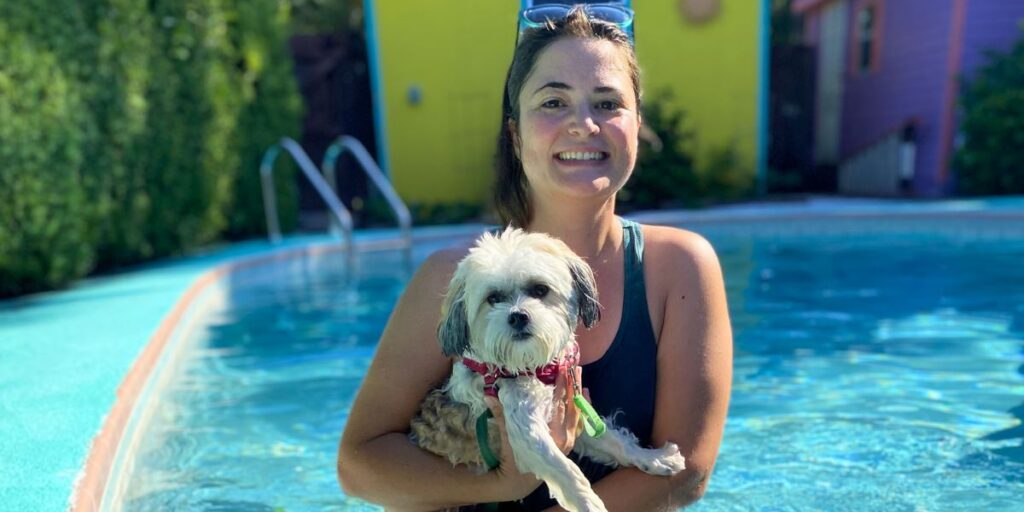
Summer on the Treasure Coast is spectacular. Between backyard pool gatherings in Vero Beach, boat trips along the Indian River Lagoon in Sebastian, and sunny mornings on our dog-friendly beaches, outdoor adventures are a core part of the Florida lifestyle. Naturally, we want our puppies to accompany us on every single journey! Proper foundation training is essential to ensure they are well-prepared for these adventures.
However, as temperatures rise, water safety must become your top priority. A common mistake many owners make is assuming that all dogs are natural-born swimmers from day one. In reality, swimming is a learned skill, and introducing your puppy to the water incorrectly can lead to lifelong fear or dangerous accidents.
As premier Vero Beach puppy training specialists, the team at Goldstar Puppy Academy has put together our top four water safety protocols—straight from our training deck—to ensure your puppy builds bulletproof confidence around water this summer.
Why Puppy Water Training Starts With Small Steps
1. Build Water Confidence Slowly (Don't Force It!)
The absolute biggest mistake we see owners make is forcing a puppy into a body of water too fast. Dragging a hesitant pup into a pool or pulling them straight into crashing ocean waves can easily trigger a panic response, creating a traumatic experience that takes months of training to reverse.
The Golden Rule: Prioritize low-stress, gradual exposure.
Watch the Signs: If your puppy immediately panics, it means you went too fast. Take a step back, slow down, and focus on making the water a fun, rewarding place to be.
2. Conquer the Pool: Master the "Big Step Down" & Find the Stairs
When introducing your backyard pool, the shallow steps are your best friend. However, the transition from the shallow top step to the deeper water—the "big step down"—is always the hardest part for a young dog.
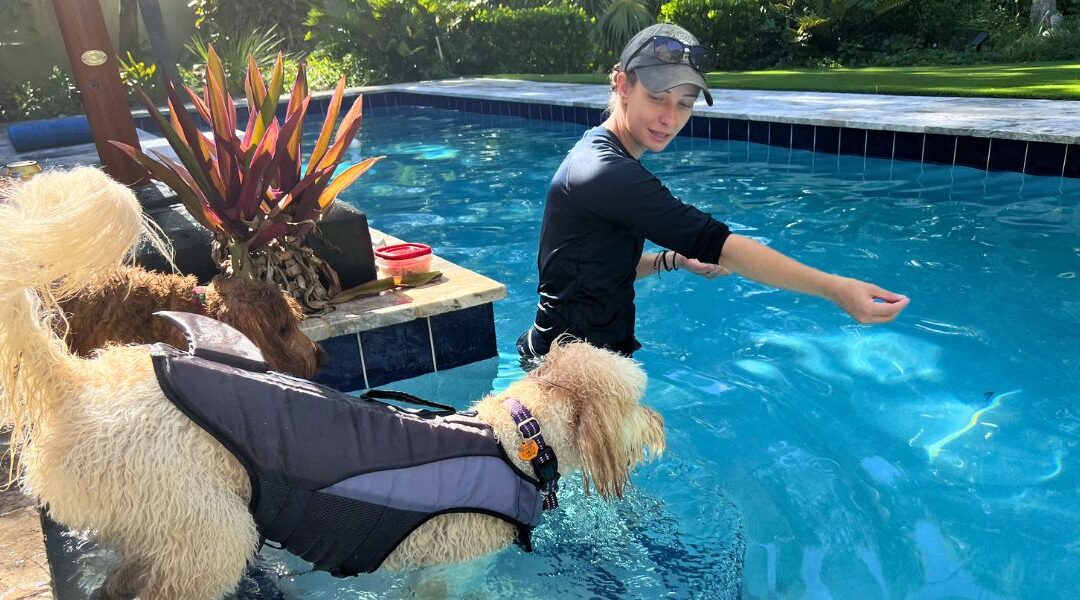
The Life Jacket Assist: Put a properly fitted life jacket on your puppy before they even get near the pool edge. When they are ready to try the big step down, use the built-in rescue handle to gently support their weight and guide them safely into the water.
Lure with High-Value Rewards: Keep the experience positive by continuously offering high-value treats or floating their favorite toys right in front of them to encourage voluntary movement.
Always Teach an Exit Strategy: From day one, always teach your puppy exactly how to find the stairs to get out. Dogs can drown simply because they panic and don't realize where the exit is. Guide them to the steps repeatedly so they know exactly how to climb out on their own.
3. The Backyard Setup: Start with a Kiddie Pool
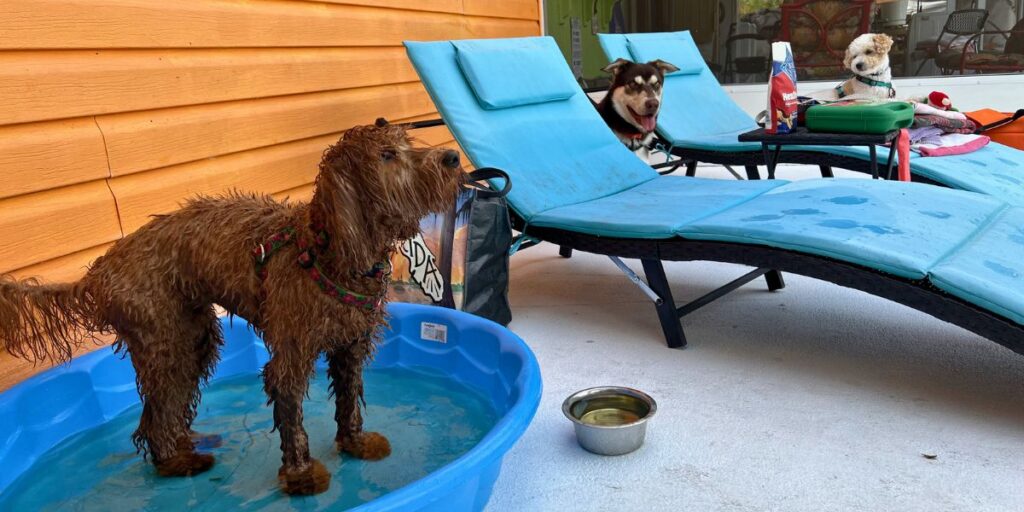
You don't need to dive straight into a full-sized swimming pool to start your training. A fantastic, low-stress alternative is using a plastic kiddie pool right in your backyard:
Start by placing just a tiny splash of water at the very bottom of the kiddie pool.
Practice having your puppy step in and out voluntarily, rewarding them with treats every single time their paws touch the water.
As their confidence grows over a few days, gradually fill the pool with more water. This builds a positive association with water underfoot without the intimidation of a deep end.
4. Transitioning to the Beach: Avoid Heavy Surf
When you are ready to graduate from the backyard to the beautiful Treasure Coast shorelines, remember that crashing waves can be incredibly intimidating to a puppy.
Let your puppy explore the wet sand and the shallow shoreline ripples at their own pace. Always use treats as positive reinforcement, and never force or drag them toward the breaking surf.
Don't start your beach journey at a high-surf destination.
Instead, seek out dog-friendly spots where you can find low, gentle waves and clear water.
Let’s Build Your Ultimate Adventure Buddy
Raising a pup who can safely and confidently share in your coastal lifestyle takes patience, consistency, and a little bit of teamwork. At Goldstar Puppy Academy, we focus on educating both ends of the leash, giving you simple, practical steps that fit naturally into your busy day.
Whether your puppy needs a boost in water confidence, better focus around distractions, or a reliable recall when it matters most, we are here to help. Our customized Day School and intensive Sleepaway Camp Board & Train programs in Fort Pierce, Sebastian, and Vero Beach are designed to help your dog truly blossom.
We would love to welcome your dog into the Goldstar family and help you get the most out of your Florida summers together!